For years, the gaming industry has been locked in a loop of endless updates, battle passes, and “engagement targets.” Every studio wanted its own Fortnite, its own Genshin Impact, its own slice of the forever-game pie. But while publishers chased retention metrics, players were quietly chasing something else: stories that end, worlds that remember, and games that respect their time.
Somehow, against all the algorithmic noise, the single-player experience didn’t just survive, it evolved.
A comeback we didn’t see coming
Not long ago, the single-player adventure was being written off as outdated. Executives labelled it “non-sustainable,” analysts pointed to multiplayer monetisation, and players were told they didn’t really want story-driven games anymore. Yet 2023 and 2024 proved otherwise.
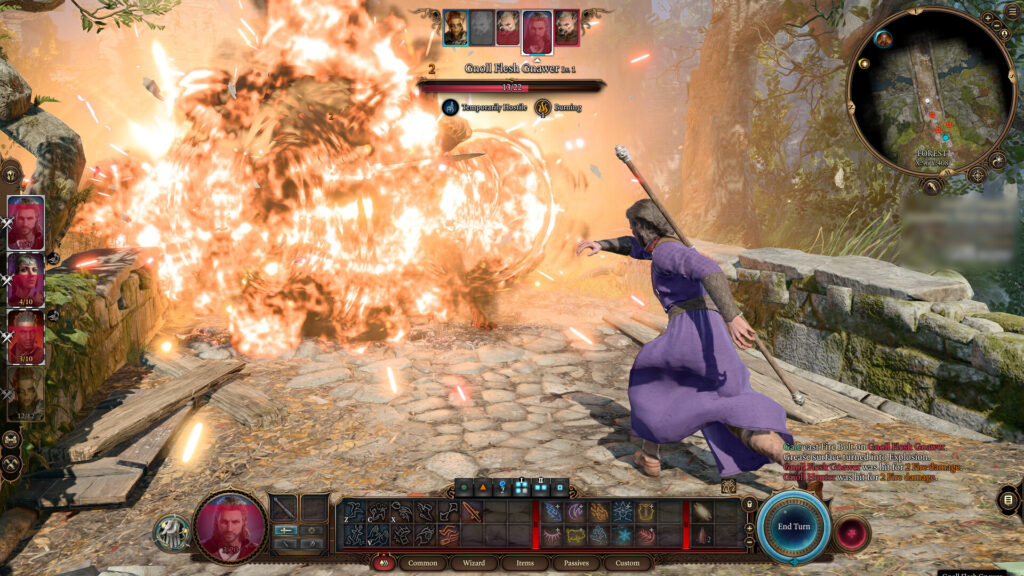
When Larian Studios launched Baldur’s Gate 3, a sprawling CRPG built on depth and consequence rather than daily challenges, it became a cultural event. Bethesda’s Starfield, despite mixed reviews, showed that a traditional single-player sci-fi epic could still dominate discussion months after launch. And titles like Alan Wake 2, Lies of P, and Ghost of Tsushima: Director’s Cut reminded us why we fell in love with playing solo in the first place.
The common thread? Players responded not to infinite content, but to complete experiences. Games that gave them ownership of their time and attention, not another chore list disguised as entertainment.
The illusion of endlessness
Live-service models thrive on keeping players inside a loop. Log in, collect rewards, unlock skins, repeat. For some, that rhythm scratches a social or competitive itch. But for many others, it’s exhausting.
There’s a reason “backlog guilt” and “gaming fatigue” became part of everyday vocabulary. Live-service games often blur the line between fun and obligation. You’re not just playing, you’re maintaining. And when your downtime starts to feel like work, it stops being escapism.
Single-player titles offer the antidote. They permit players to play on their terms. To pause. To explore at their own pace. To finish and move on. There’s satisfaction in completion, something the live-service model rarely allows.
The power of authorship
In single-player games, developers can craft a vision without worrying about seasons, meta shifts, or microtransaction balance. The experience can be authored, sculpted, rather than perpetually patched.
When Santa Monica Studio delivered God of War: Ragnarök, it wasn’t trying to sell you a skin for Kratos’ axe or convince you to check in daily. It gave you an emotional arc, a beginning and an end. That sense of finality made it memorable.
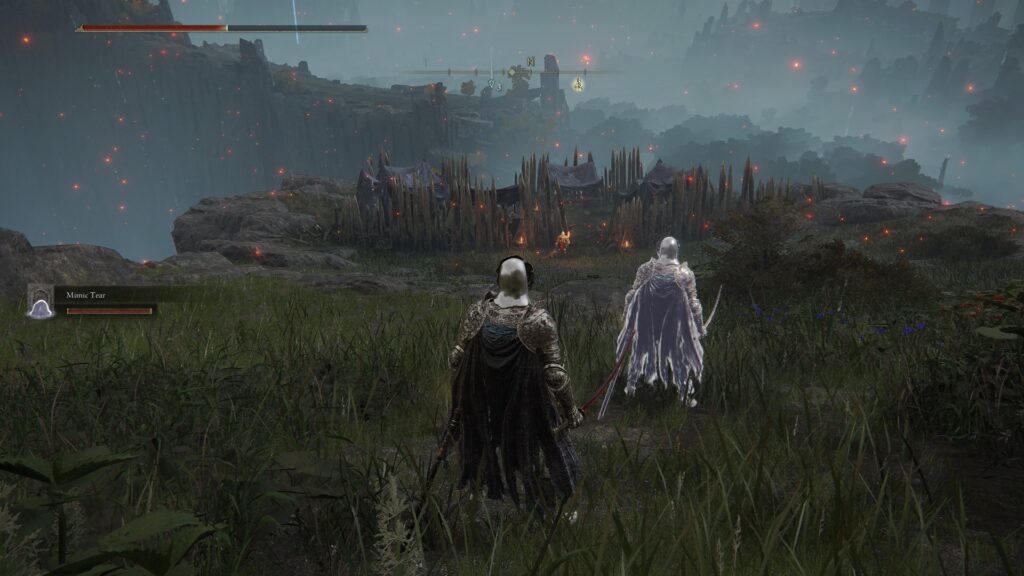
Even Elden Ring, with its open world and online components, embodies this philosophy. You can play offline, ignore messages, and still get a complete narrative. You’re the protagonist, not a passenger in a content calendar.
It’s this freedom, for both developers and players, that gives single-player games their staying power.
Time is the real currency
There’s a quiet irony in how much players will pay for fewer games. Not less content, but less manipulation of their time.
A £60 single-player title that lasts 40 hours feels more honest than a free-to-play service game that demands 400. You’re not being strung along for engagement; you’re choosing how and when to engage. The reward is satisfaction, not a virtual badge.
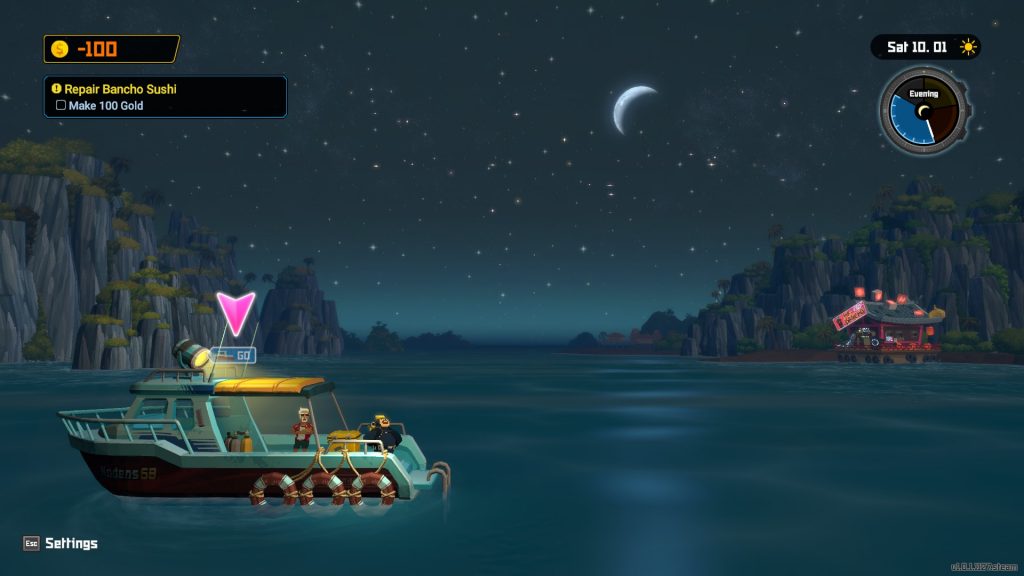
This approach also benefits discovery. Games like Dave the Diver and Sea of Stars became word-of-mouth hits precisely because they respected players’ time. They’re proof that brevity and focus can be more impactful than bloat.
Developers rediscovering their freedom
Interestingly, developers seem to be rediscovering joy in designing games that end. In interviews, Larian Studios spoke about wanting to “build something finite but meaningful,” a sentiment echoed by Remedy Entertainment and CD Projekt Red.
Making a live-service game means endless maintenance, updates, and crunch cycles that never truly stop. Single-player design, in contrast, allows creative closure. Teams can ship their vision, celebrate, then move on to the next story without being chained to a perpetual update treadmill.
There’s a sense of artistry to that, a reminder that games can be crafted, not farmed.
The economics of story
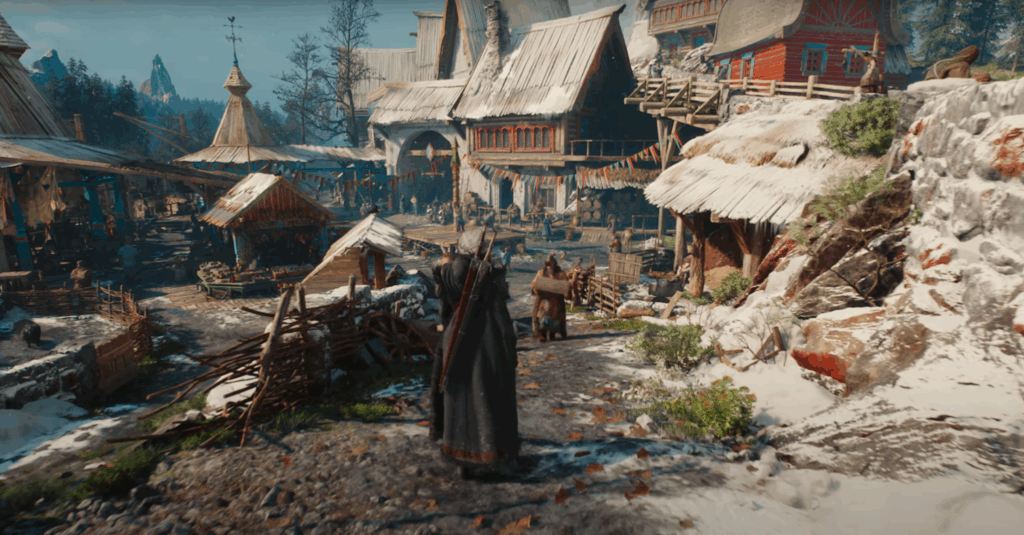
Of course, money still matters. But Baldur’s Gate 3 showed that single-player games can be immensely profitable when they prioritise player trust over exploitation. No microtransactions, no season passes, no online requirement, and it still became one of the decade’s biggest hits.
That success story sent a ripple through the industry. It proved that quality and goodwill are scalable commodities. When players feel respected, they reward you not just with money but with loyalty.
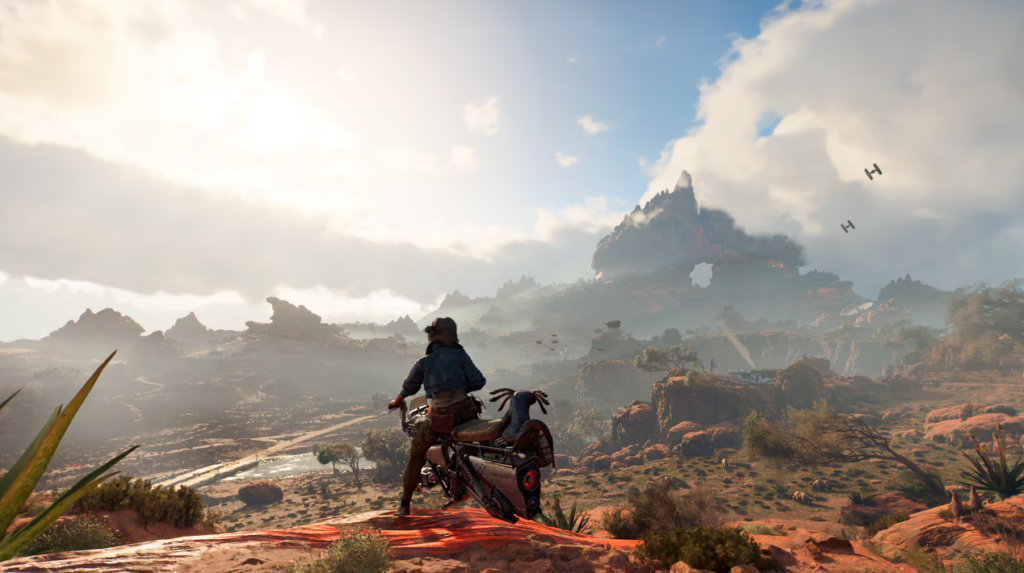
Publishers are noticing. Even Ubisoft, once fixated on open-world service games, has pivoted back toward strong narrative campaigns with Assassin’s Creed Mirage and the upcoming Star Wars Outlaws.
It’s not nostalgia driving the shift; it’s pragmatism. Players are tired of being monetised at every click.
What comes next
The future of gaming isn’t purely single-player or live-service; it’s a balance. Games like Helldivers 2 have shown that live elements can coexist with integrity when handled respectfully. But there’s a growing hunger for experiences that prioritise story, solitude, and self-direction.
Single-player games aren’t a rebellion anymore, they’re a reminder. That games can be art. That endings can be powerful. And that not everything needs a battle pass to matter.
So yes, maybe the quiet revolution is still happening in the background, but it’s reshaping the industry from within. In an age of algorithms and attention economies, choosing to play alone might just be the most meaningful connection gaming still offers.
For even more opinion pieces, click right here.
Disclaimer: The article contains affiliate links. Purchasing things through these links may earn us a small commission, but by no means do you have to use them. They just help us earn a few pennies to help us keep the site running so we can do what we love and bring you lots of new content.