There’s a strange kind of melancholy in gaming that few talk about, the quiet disappearance of worlds we once called home. Unlike books, films, or even old consoles, games can simply stop existing. A server shuts down, a licence expires, a publisher folds; and suddenly, the digital landscape shifts, leaving ghosts behind.
These are our digital ghost stories; fragments of lost MMOs, delisted classics, and forgotten experiments that once connected millions, now preserved only in memories and shaky YouTube uploads.
The day the lights went out
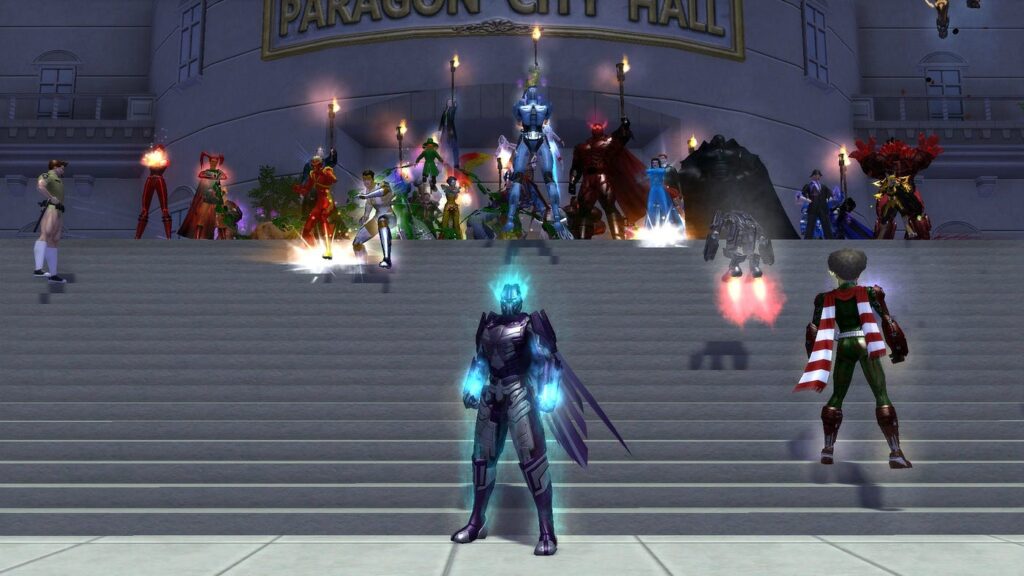
Ask anyone who played City of Heroes where they were when the servers went dark, and they’ll remember. That final night in 2012 was more like a wake than a shutdown, players gathering in costume, forming circles of light, saying goodbye to friends they’d never met in person.
MMOs, by design, are social worlds. When they die, they don’t just vanish; they take entire communities with them. The Matrix Online, WildStar, APB Reloaded, Defiance… all gone. Even now, dedicated fans work to resurrect them through private servers and painstaking code archaeology, fighting to keep their digital worlds alive a little longer.
Every now and then, one flickers back to life. City of Heroes’ rogue resurrection in 2019 was a reminder that ghosts can return, but never quite the same.
Licences, lawsuits, and lost legends
Some games don’t fade; they’re erased. Music licences expire. Rights disputes arise. Digital storefronts quietly delist titles without warning.
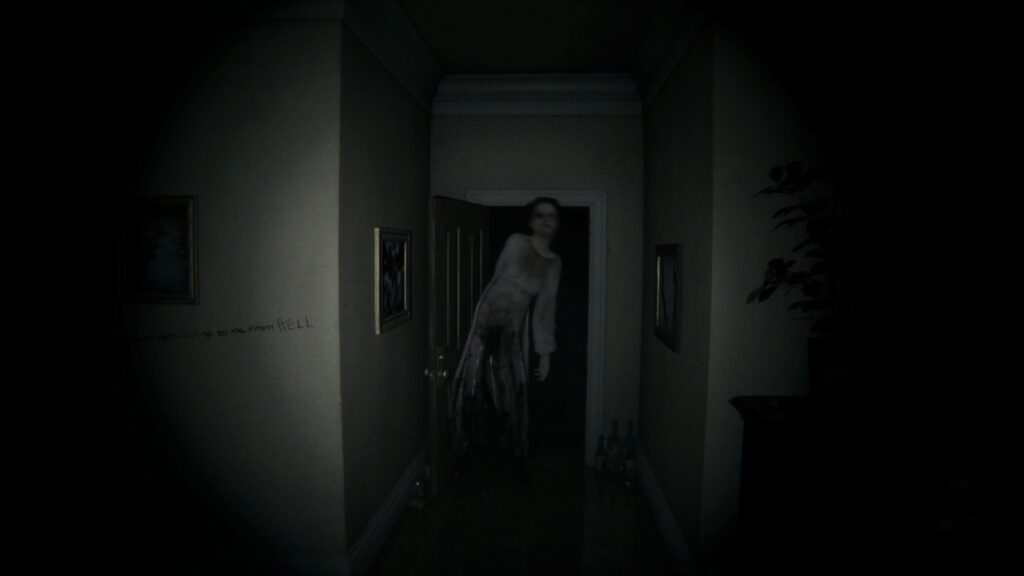
Remember Alan Wake briefly disappearing due to music licensing? Or P.T., Konami’s haunting playable teaser for Silent Hills, which was not only delisted but locked from re-download, effectively making it one of the most famous “lost” games of all time. Today, P.T.-installed PS4s sell for absurd prices online, relics of an experience most will never play again.
Even more modern examples, like Forza Horizon 3, have vanished due to expiring car and soundtrack deals. Entire artistic works, gone with the flick of a legal switch.
The vanishing point of digital ownership
This is the part that feels truly eerie, the fact that our digital libraries are never really ours. Steam, PlayStation, Xbox, and Nintendo all operate under licensing agreements that allow them to remove titles at any time.
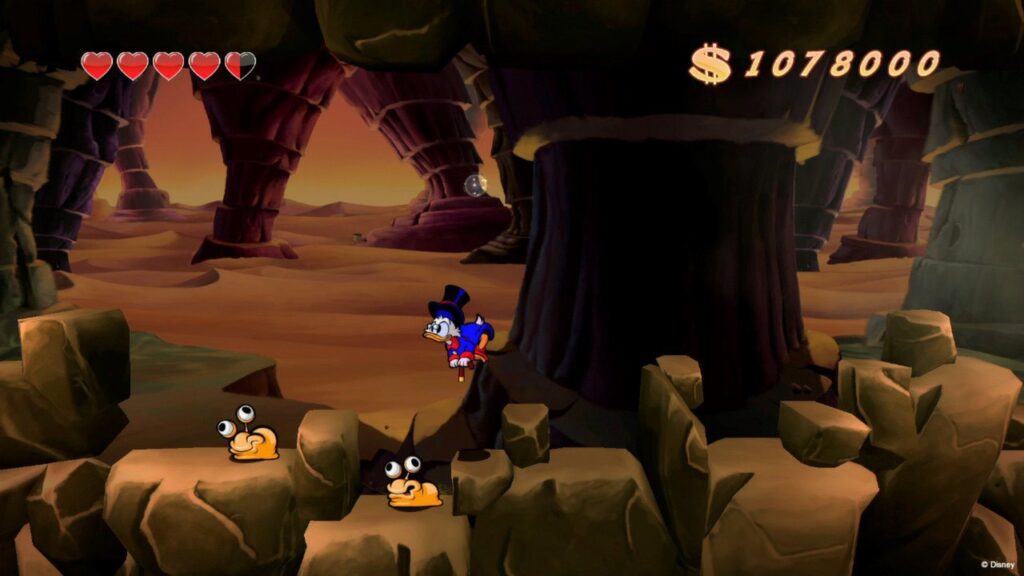
We buy the illusion of permanence, but we live in an age where the games we love can vanish overnight. When DuckTales Remastered disappeared from digital storefronts in 2019, it was a jarring reminder that even childhood nostalgia isn’t safe. Sure, it came back eventually, but not every ghost gets that kind of resurrection.
As more games lean on live-service models, the risk grows. What happens when a developer shuts down the servers for your favourite online game? When does your single-player title require a login to launch? The modern era of DRM and connectivity means death isn’t just possible, it’s inevitable.
Fan archives and digital archaeology
Thankfully, not all ghosts stay lost. From private server projects to fan archives like BlueMaxima’s Flashpoint, players have become the unofficial preservationists of gaming history.
Flash games, once the heart of online creativity, would’ve been wiped from existence after Adobe Flash’s death if not for dedicated archivists. Now, thousands of them live offline, playable, preserved, and celebrated.
The same passion fuels emulation communities that rebuild dead MMOs and retro titles, ensuring these fragments of gaming’s past survive despite legal grey areas. They’re the digital archaeologists of the modern age, keeping ghosts from fading completely.
Haunted by impermanence
There’s something poetic, and deeply unsettling, about a medium built on interactivity being so fragile. Unlike film or literature, a game’s death is total. When it’s gone, there’s no rerun, no remaster, no screenshot that can replicate the feeling of being there, alive in that moment.
Maybe that’s why we cling so tightly to the games that remain, and why we whisper about the ones that didn’t make it. Because somewhere, out there in the digital void, those ghosts still exist. Waiting. Frozen in time.
For even more opinion pieces like this, click right here.