Some innovations change the way we play. Others fade into obscurity, quietly influencing the future before disappearing into the bargain bin.
Gaming history is full of odd experiments, flashes of genius, and hardware that was way ahead of its time. Some were commercial flops; others became cult classics that still inspire today’s tech. But all of them, in their own strange way, helped shape how we interact with games.
So let’s dust off a few forgotten peripherals that deserve a little credit for pushing boundaries, even if they didn’t quite stick the landing. And if you like this piece, be sure to check out our pick of five of the most unique game controllers of our time.
What are these peripherals we’ve forgotten about?
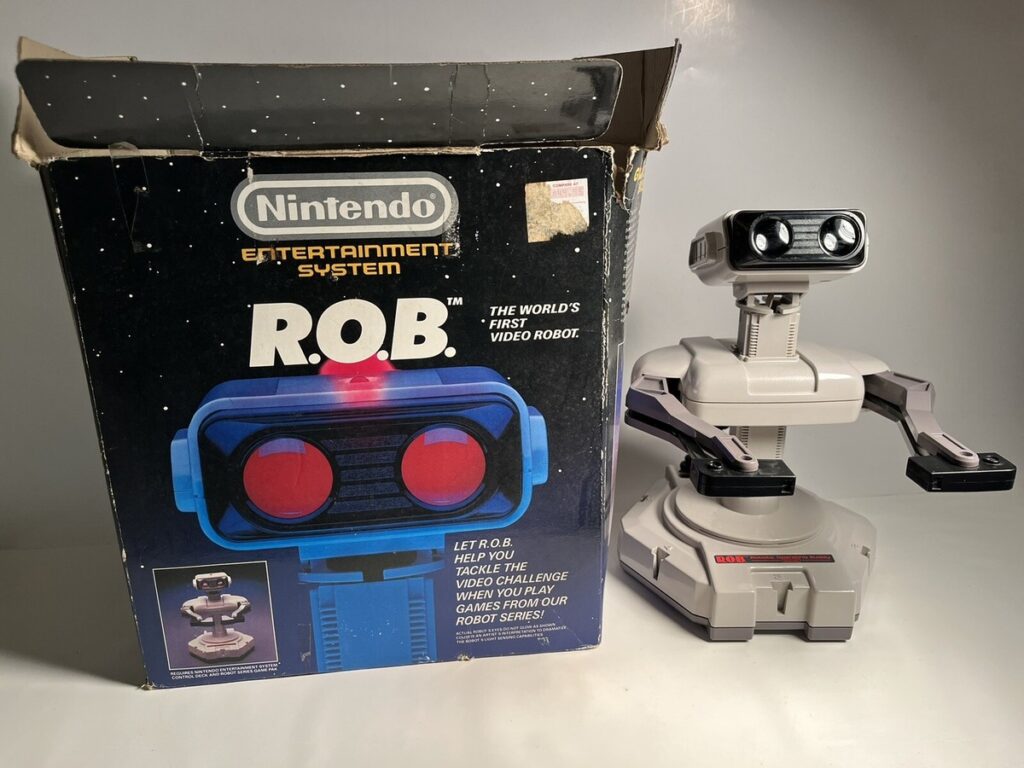
The NES R.O.B. – A robot before its time
Long before voice assistants or AI companions, there was R.O.B. (the Robotic Operating Buddy). Released in 1985, this odd little droid was Nintendo’s attempt to disguise the NES as more than just a console during the video game crash.
Sure, this peripheral was clunky. The arms moved at a glacial pace, the gyros barely worked, and only two games supported it. But it introduced a radical concept: hardware as a companion. R.O.B. wasn’t just a controller; it was a friend who played with you, an early glimpse at interactive robotics in gaming.
Fast forward to today’s smart toys, from Amiibo to Skylanders, and you can see R.O.B.’s DNA all over them.
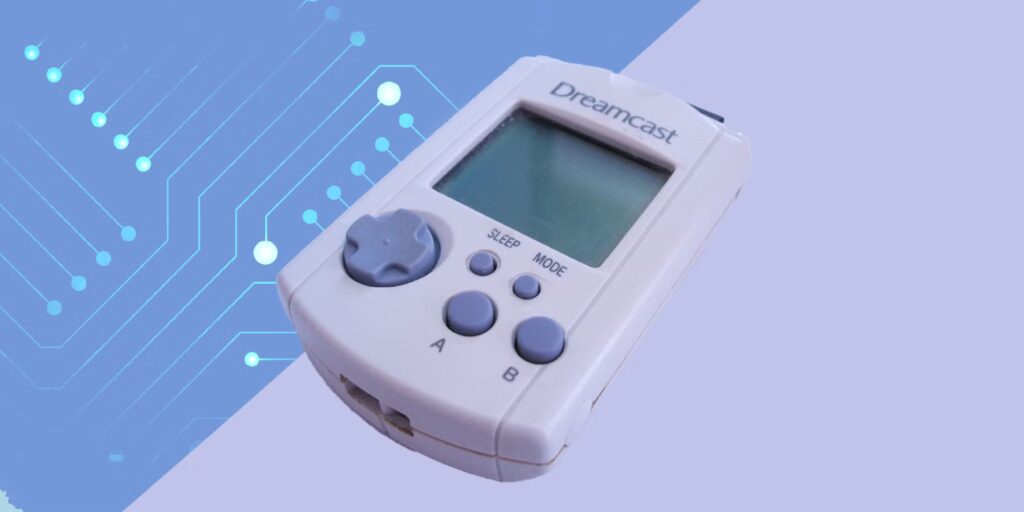
The Dreamcast VMU – The pocket-sized revolution
The Dreamcast’s Visual Memory Unit looked like a glorified memory card, but it was a peripheral that was much more than that. You could slot it into the controller, view in-game stats, or pull it out and use it as a tiny handheld console, complete with its own screen, mini-games, and sound effects.
In Sonic Adventure, you could raise virtual Chao creatures and then take them on the go. It was the perfect blend of console and portable gaming long before cloud saves and cross-play made the idea mainstream.
These days, smartwatches and dual-screen devices echo that concept of secondary displays. Sega did it first, and did it with soul.
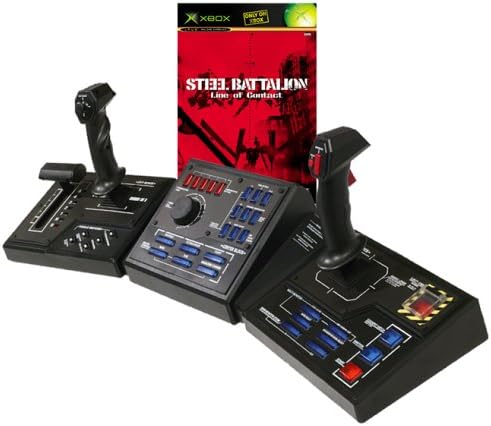
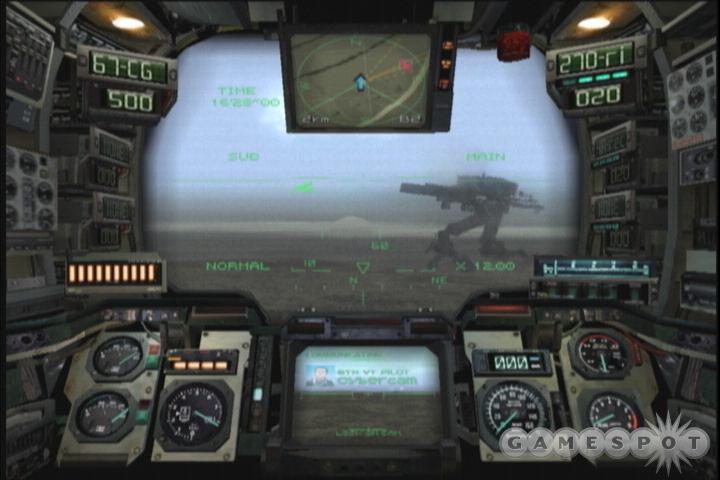
The Steel Battalion controller – Simulation at its most extreme
Capcom’s Steel Battalion for the original Xbox was less a game, more a lifestyle choice. The £130 peripheral it shipped with had 40 buttons, two joysticks, three foot pedals, and a glowing eject switch that literally ended your save file if you failed to pull it in time.
It was unwieldy, heavy, and brilliant. Players didn’t just control mechs; they piloted them. Every switch, every lever, every clunk of metal had a purpose.
Modern flight and racing sim setups owe a quiet debt to Steel Battalion. It showed that immersion doesn’t come from graphics; it comes from commitment.
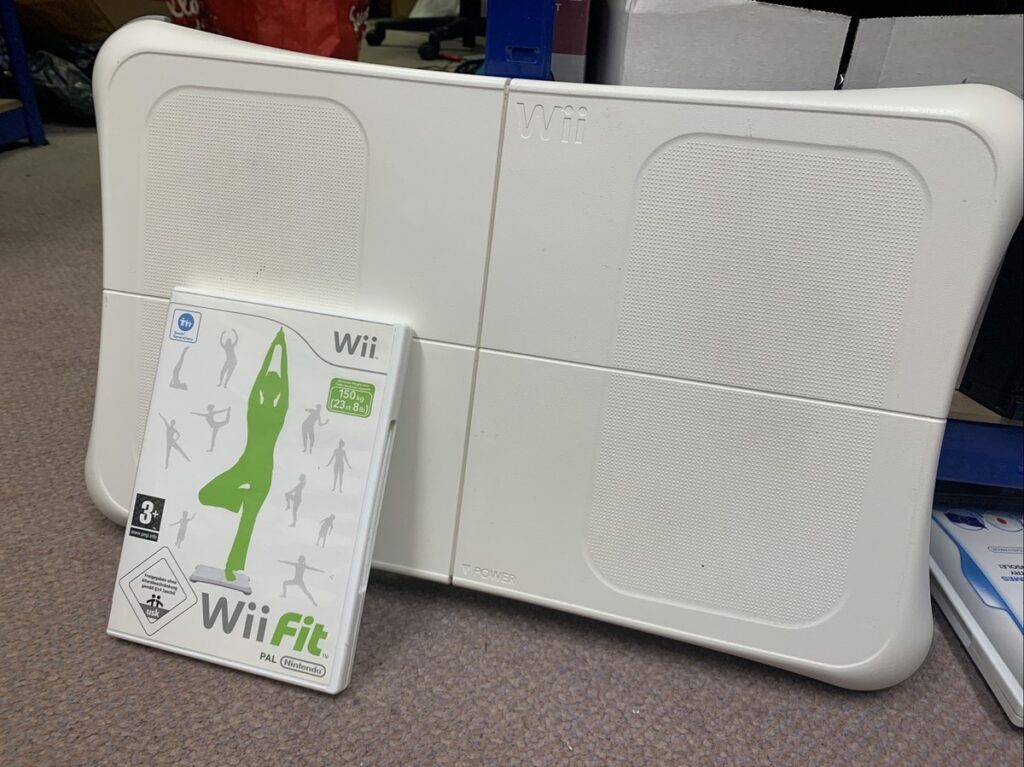
The Wii Balance Board – The fitness fad that predicted the future
When Wii Fit launched in 2008, nobody expected it to become one of the best-selling fitness titles ever made. The Wii Balance Board was simple but revolutionary, a pressure-sensitive peripheral that could detect shifts in balance, posture, and weight.
It made fitness accessible and fun, years before VR and mobile health tracking made exercise gamification mainstream.
In 2025, the board might look like a relic of Nintendo’s motion-control craze, but its legacy lives on in everything from Ring Fit Adventure to Fitness Boxing and VR fitness apps like Supernatural and FitXR.
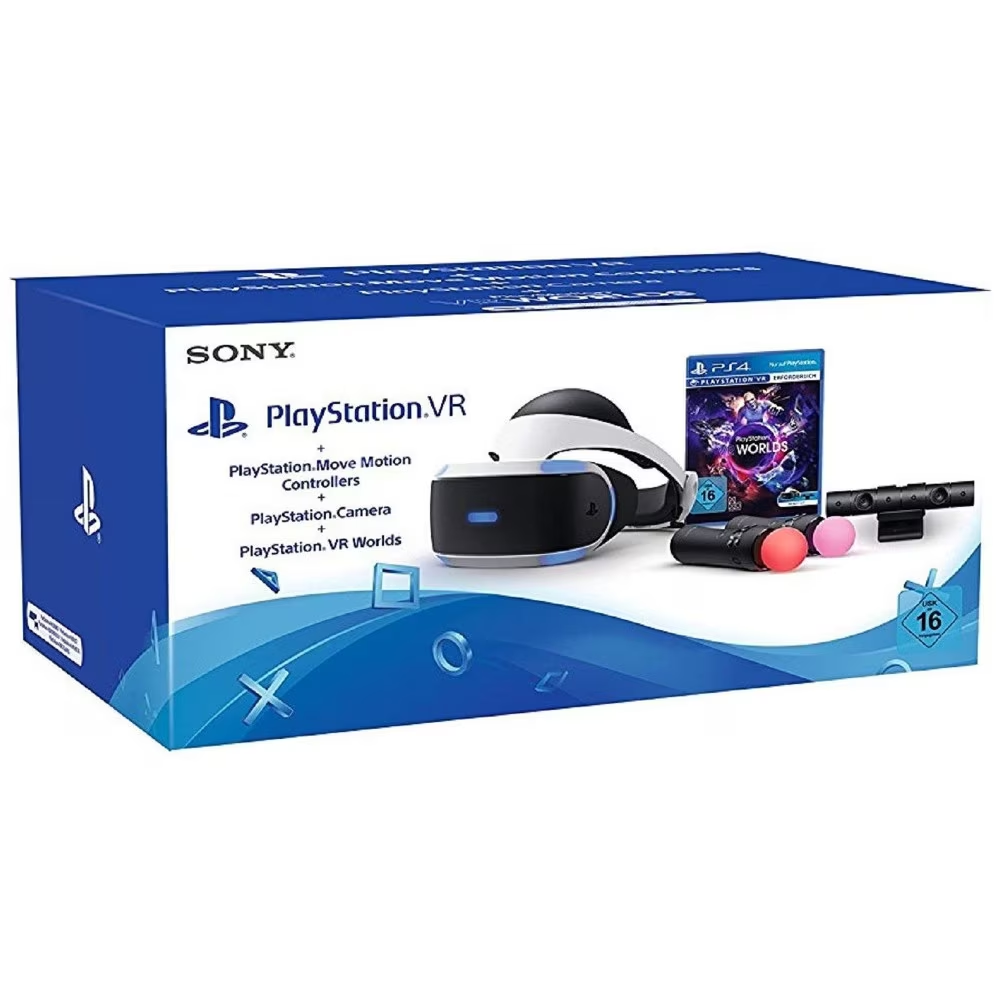
The PlayStation Move and Navigation controllers – Forgotten but not gone
Before VR truly found its feet, Sony’s PlayStation Move wands were quietly laying the groundwork. Paired with the Navigation Controller, they brought 1:1 motion tracking to the PS3 and PS4, supporting games like Sports Champions and Killzone 3.
They didn’t quite take off against the Wii’s mass-market dominance, but they didn’t die either; they evolved. Those very same peripherals became the foundation of PlayStation VR, bridging console gaming and virtual reality years before the PS VR2 arrived.
Sometimes, the tech that feels outdated is just waiting for the right moment to shine.
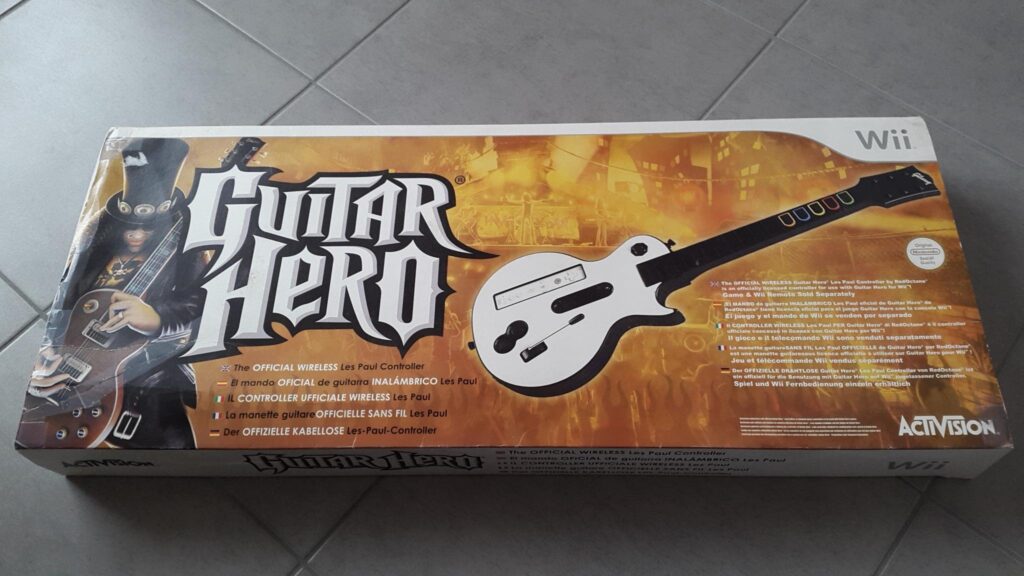
The Guitar Hero controller – Plastic, passion, and pure joy
Plastic instruments took over living rooms in the mid-2000s, and for a few golden years, everyone was a rock star. The Guitar Hero controller, with its five coloured fret buttons and clicky strum bar, was simple perfection in terms of gaming peripherals.
It didn’t just make rhythm games mainstream; it made music interactive. Families, friends, and strangers alike could share the joy of performance without ever learning a real chord.
And even though the fad burned out, its influence remains; you can see its spirit in rhythm titles like Beat Saber and Hi-Fi Rush, where timing and spectacle blend seamlessly.
The legacy of innovation and oddity
For every breakthrough controller, dozens fade away, but even the failures matter. These peripherals are experiments in how we connect, how we express ourselves, and how we feel the games we play.
Today’s adaptive triggers, haptic feedback, and VR gloves stand on the shoulders of weird plastic giants.
Because innovation in gaming doesn’t always come from what works, it comes from what tries.
For even more opinion pieces like this, click right here.
Disclaimer: We don’t hide the fact that we use affiliate links, and this post contains a few. Clicking on them and purchasing games, peripherals, or anything else through them will potentially earn us a commission. You don’t have to use them, though, but if you do, a massive thanks for helping us to keep the site running. Every penny counts.