Grenades in CS2 are one of the fastest ways to create an advantage without relying on insane shots. A well-placed smoke can cut defenders off from information, a flash can open a clean entry, and a Molotov can force someone out of a strong position. The utility meta also keeps moving; it shifts with updates, map tweaks, and whatever the community starts repeating in real matches.
Below is a practical guide to the grenades worth having in your “core kit” on popular Counter-Strike 2 maps, plus a simple way to train lineups so you actually use them under pressure.
Where to follow the utility meta and stay up to date
Utility changes quickly. One small map adjustment, a new common setup, or a popular execute pattern, and suddenly different smokes and flashes become the standard. That’s why it helps to follow places where players share real, match-tested lineups and quick breakdowns instead of just “cool throws”.
If you like keeping up with CS2 topics beyond the matches themselves, you can also check out G4Skins CS2 Cases. It’s a platform that has been around for several years and is built with a “from players, for players” mindset, focusing on a smooth, straightforward experience.
It also includes features like Exchanger, which lets you swap skins from your on-site inventory into other items in one place, and Contracts, where you can combine multiple lower-value skins into a single higher-tier item. For many players, it’s a convenient way to keep a collection organised and make changes without extra steps. Check this out: https://g4skins.com
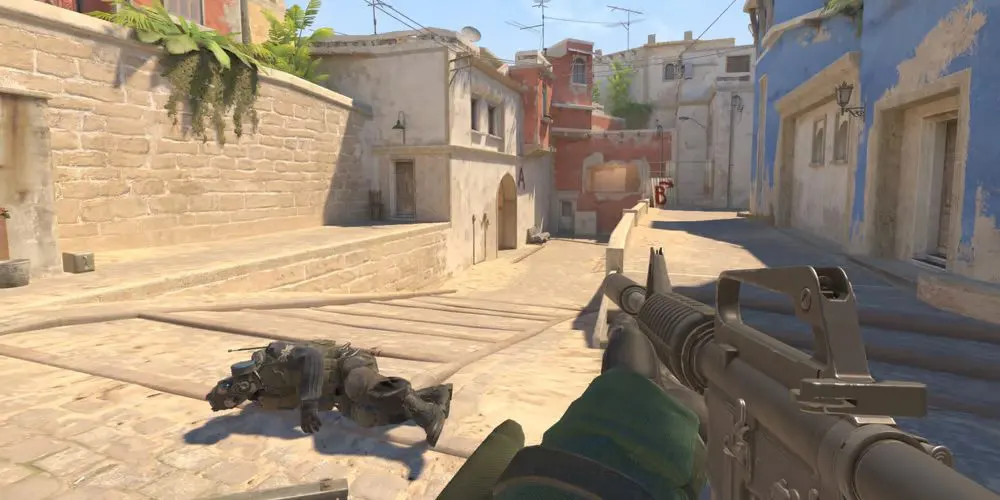
How to think about utility in CS2: “Small kit, high confidence”
The biggest mistake in CS2 is learning 30 lineups per map and forgetting them in actual games. A smaller kit that you can repeat in 9 out of 10 matches is far more effective.
A great starter kit for any map:
- 2 entry/control smokes (mid, short, main – whichever matters most)
- 1 entry flash (that doesn’t blind your own team)
- 1 molotov to clear a common defender spot
- 1 defensive smoke for retakes or stopping a push
That “core” gives you consistent rounds and reduces chaos.
Smokes and flashes: The difference between a “nice lineup” and a useful one
A smoke is useful when it:
- Cuts defenders off from information
- Forces a reposition or makes them play blind
- Creates a safe timing window for taking space
A flash is useful when it:
- Doesn’t blind your entry player
- Pops exactly when contact happens (not two seconds early)
- Enables trades and fast space control
In practice, one reliable flash you always throw is better than five you only remember sometimes.
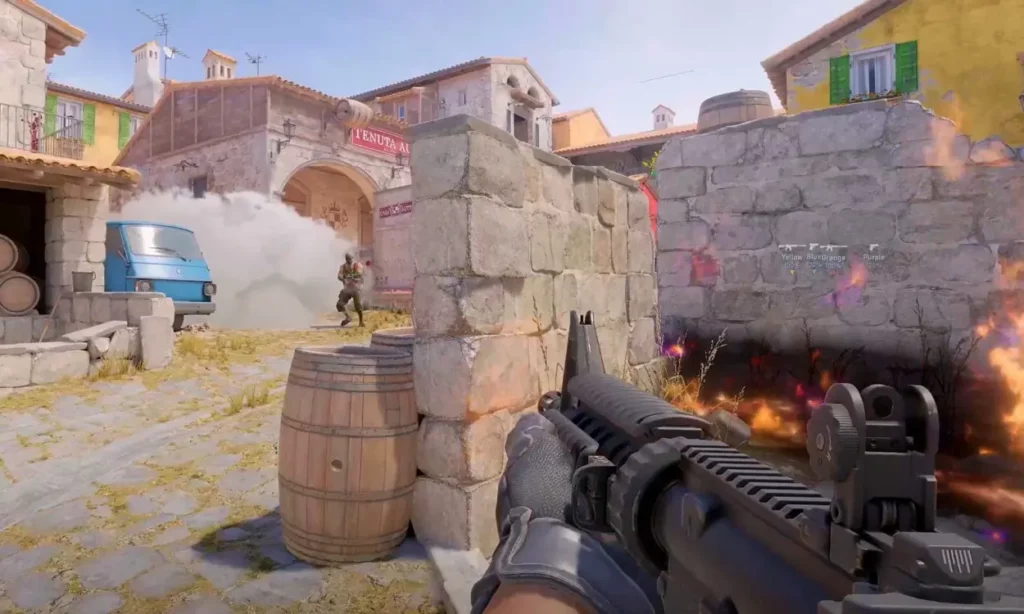
Mirage: Basic smokes and flashes that work in most matches
Mirage is a utility-heavy map because so many rounds revolve around mid control and clean site entries.
Solid minimum:
- Mid window smoke (core mid control)
- Connector or short smoke (cuts rotations and info)
- A flash for mid control or an A hit
- A Molotov for underpass or a common B spot
Tip: If you don’t control mid as T, most Mirage rounds turn into messy guesses. Smoke + flash mid first, then make the call.
Inferno: Utility for banana control and safer site takes
Inferno is a map where utility often decides whether you’re even allowed to take banana or apartments.
Solid minimum:
- CT or coffins smoke on B (for late-round or afterplant phases)
- Moto or library smoke on A (for hits and post-plant structure)
- A banana flash to win early fights
- A Molotov for car or sandbags
On CS2’s Inferno, the team that creates space with utility usually dictates the round.
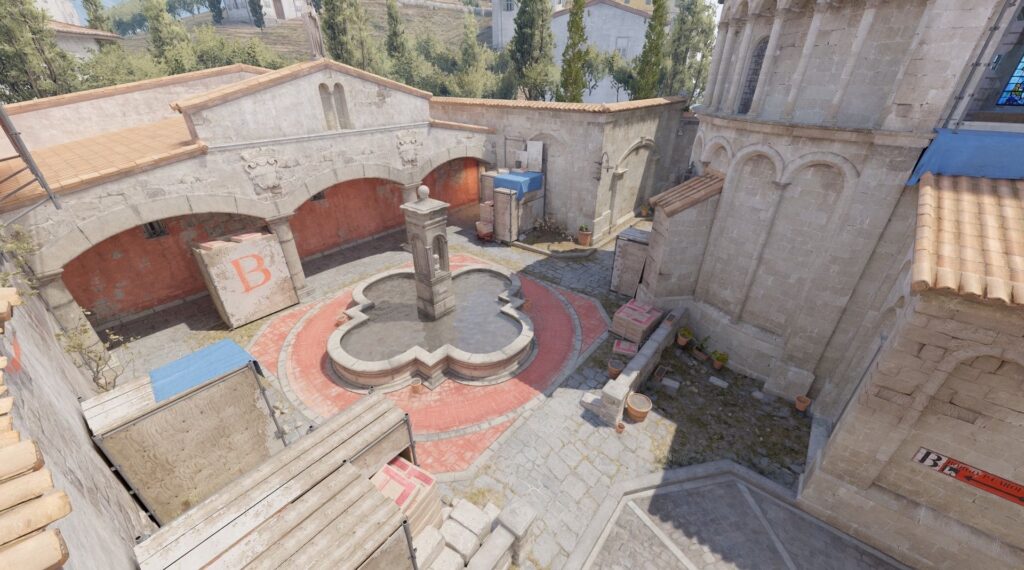
Ancient: Utility for mid and overall map control
CS2’s Ancient map can be rough without smokes because mid and choke points are full of strong angles.
Solid minimum:
- Mid smoke to reduce vision and pressure
- Donut or temple smoke (based on your plan)
- A flash for fast A or B contact
- A Molotov for common close positions on entry
Keep it simple: one plan, two smokes, one flash, then take space quickly.
Nuke: Smokes and flashes for entries and rotations
Nuke is all about info and rotations, so utility often works as “cutoff tools” more than pure entry tools.
Solid minimum:
- Heaven smoke for A hits
- Outside smoke for crossing and map pressure
- A hut or squeaky flash for timing entries
- A molotov for rafters or a common A anchor spot
A strong heaven smoke plus a clean flash can completely change how A feels.
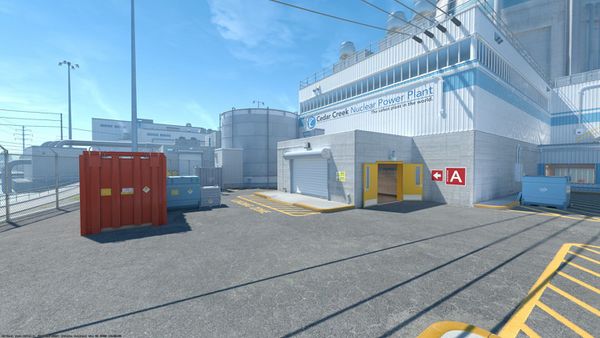
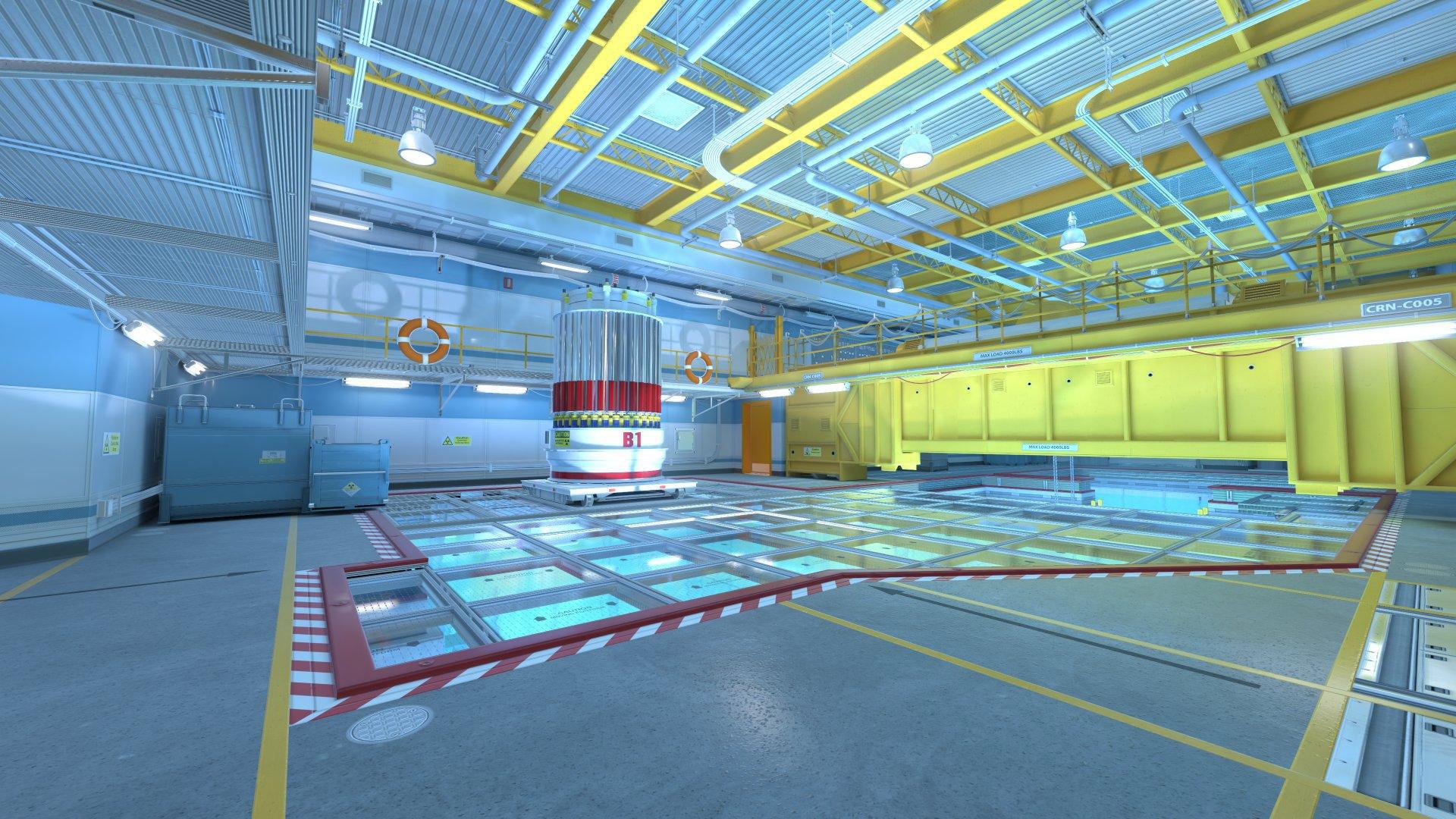
Overpass: Controlling short/long and cleaner B takes
CS2’s Overpass rewards utility because it lets you win map control without taking risky duels.
Solid minimum:
- A-site smoke (bank or truck, depending on the hit)
- B-side smoke (heaven or monster, depending on the plan)
- A flash for short/long fights
- A Molotov for barrels or a common B hold
If you don’t cut off angles with smokes, defenders get too much info and rotate too fast.
How to practice grenades so they become automatic
The goal isn’t “learn everything,” it’s “build habits.”
Simple training plan:
- Pick one map
- Learn 2 smokes + 1 flash
- Use them for 5 matches in a row
- Only then add 1-2 more lineups
That’s how utility becomes automatic instead of something you try to remember mid-round in CS2.
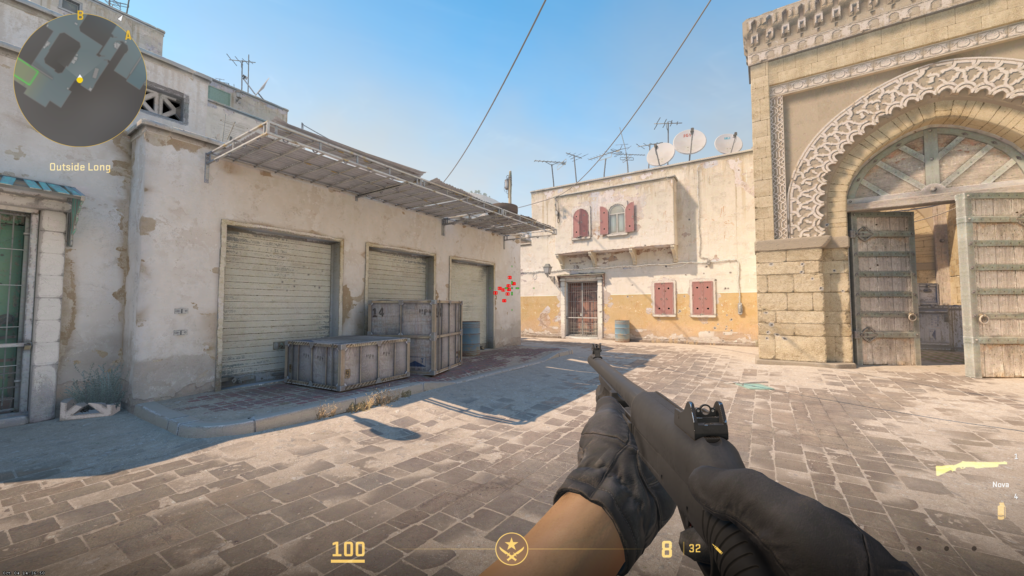
The best utility is the stuff that works in real rounds: simple smokes that cut info, flashes that enable clean entries, and molotovs that clear the most common defender positions. Instead of collecting endless lineups, build a small, repeatable kit for each map and use it consistently. Your executes will feel cleaner, your rounds will be more predictable, and your team will play with more structure. And then that will hopefully translate into more wins for you when playing CS2.
For even more helpful guides like this one, click right here.