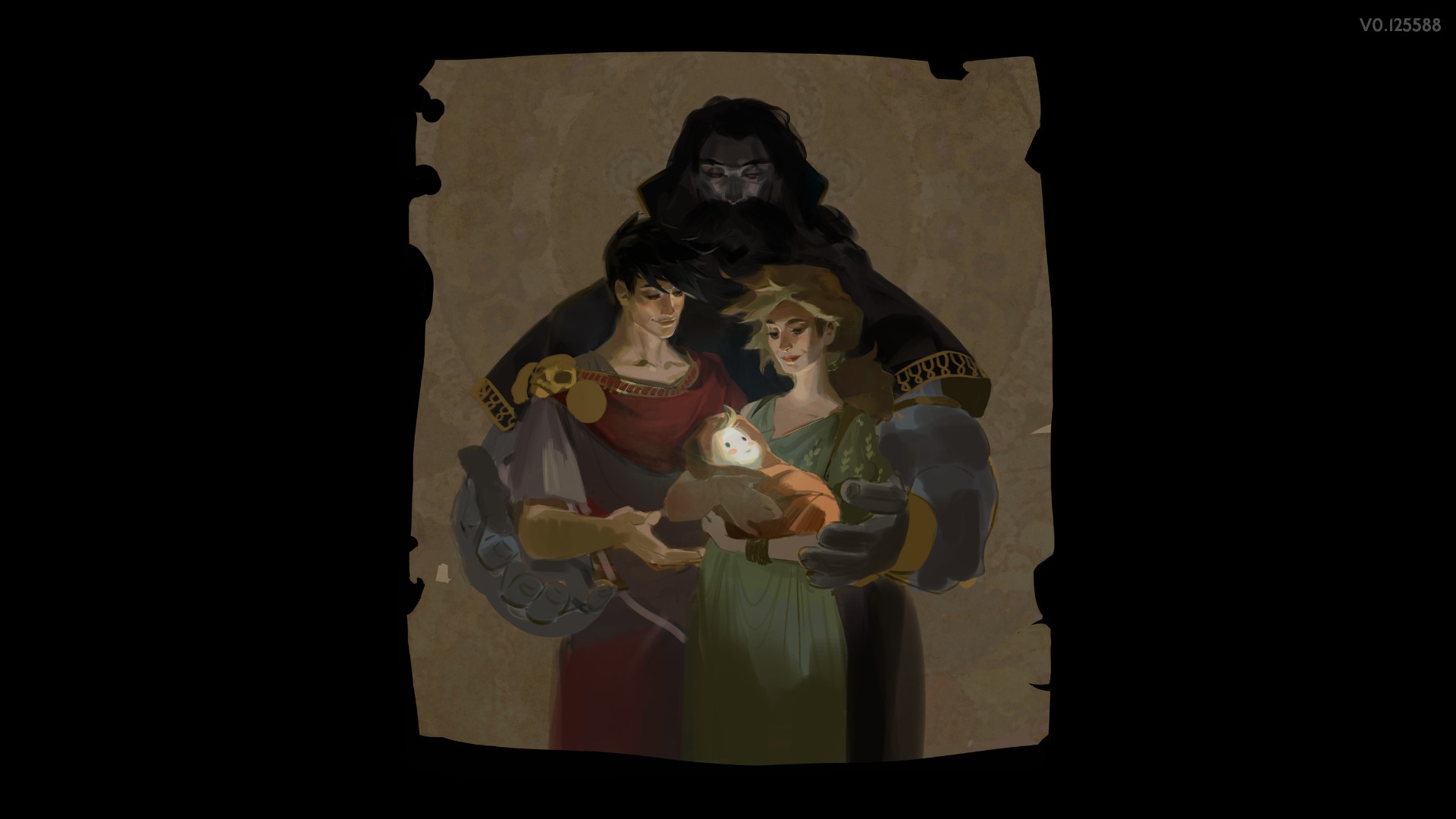
The original Hades was a lightning strike. It redefined the roguelike genre with its intoxicating combat, compelling narrative, and a cast of gods so charmingly dysfunctional you couldn’t wait to die just to speak with them again. Its success set an impossibly high bar for any potential successor. But Hades II is here, regardless.
Emerging from the shadows into Early Access and due to hit full 1.0 release in a couple of weeks. The question on everyone’s mind is: how does it differ?
I’ve been playing Hades II for a few hours already and have put a good chunk of time into the original. Even still, I’m uncovering more and more each run.
Supergiant Games hasn’t just given us more Hades; they have fundamentally re-engineered its core, creating an experience that is both the same and different.
A new protagonist
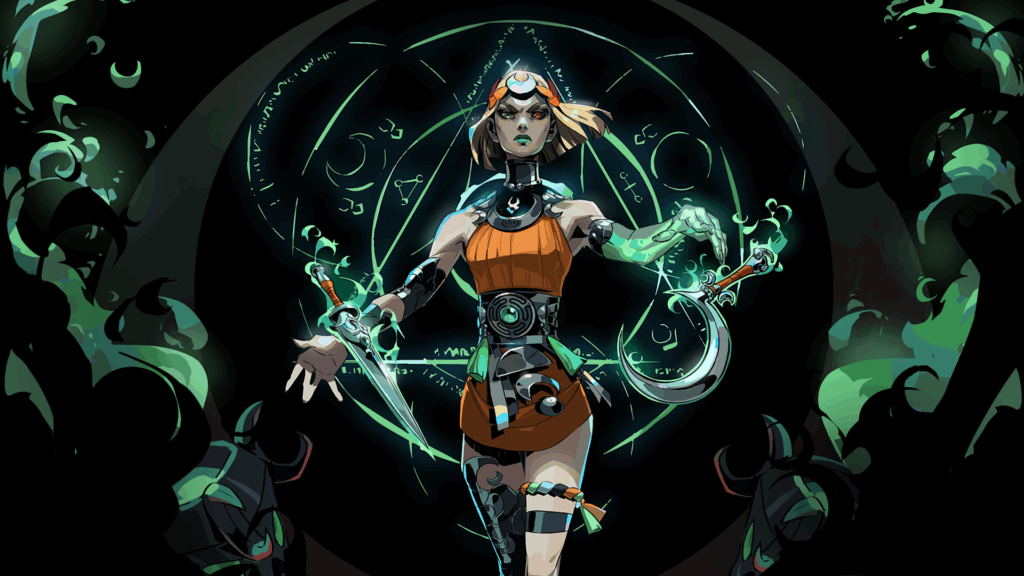
The most immediate and impactful change is our hero in Hades II.
We are no longer playing as the defiant Prince Zagreus, whose quest was a desperate, repeated escape from his father’s domain.
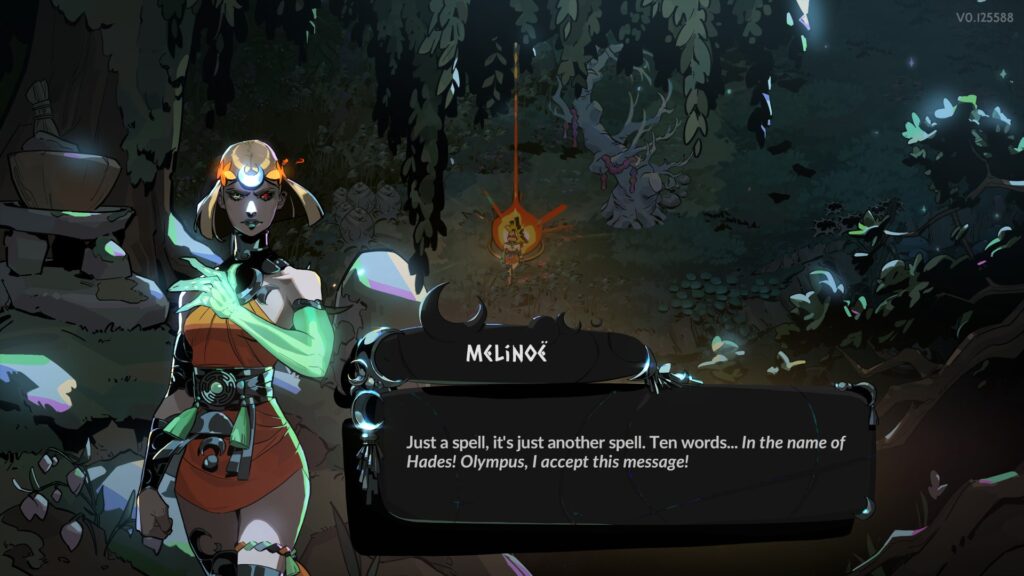
Instead, we step into the role of Melinoë, Princess of the Underworld and sister to Zagreus.
Her mission is not one of escape, but of invasion. She is a disciplined witch, a student of Hecate. Venturing deep into the Underworld to rescue her father, Hades, from the clutches of Chronos, the Titan of Time.
This narrative inversion changes everything. Where Zagreus’s journey was reactive and personal. In Hades II, Melinoë’s is a proactive, focused military campaign against a primordial threat. It gives the entire game a sense of greater urgency and higher stakes.
The witch’s arsenal and the flow of combat
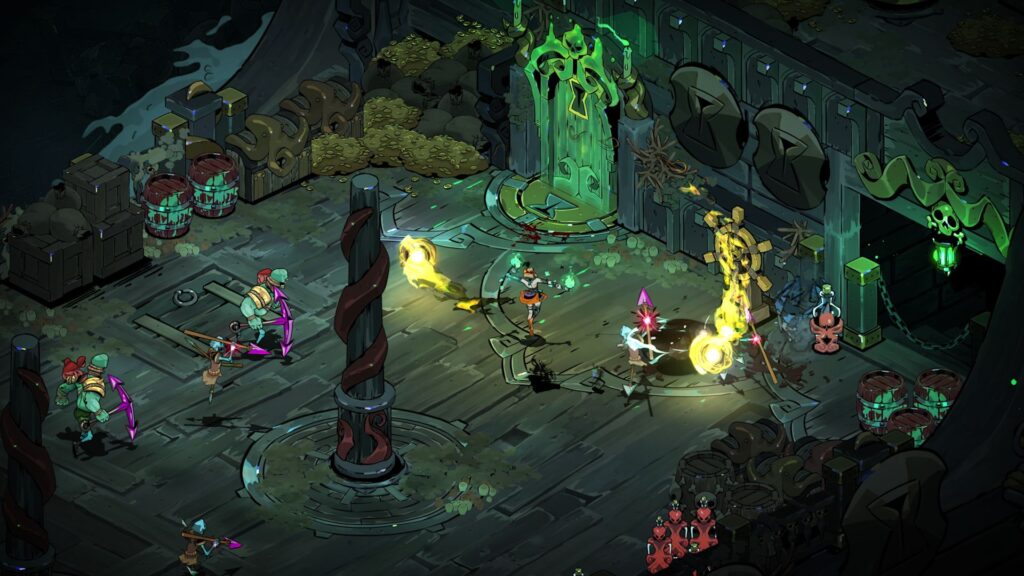
Melinoë isn’t a brawler like her brother; she is a sorceress, and magic is woven into the very fabric of her combat style.
The most significant new mechanic in Hades II is the introduction of a Mana bar. This resource powers her Omega moves—powerful, charge-up versions of her standard attacks and specials that can control the battlefield, lay traps, or unleash devastating blasts.
This system encourages a more tactical and deliberate rhythm in combat, asking players to manage both their position and their magical resources.
It’s a departure from Zagreus’s more straightforward dash-and-slash, creating a distinct feel for every weapon and encounter.
The Nocturnal Arms themselves, from the Witch’s Staff to the Sister Blades, feel uniquely suited to this new magical combat loop, too. Distinguishing Melinoë’s deadly dance from her brother’s, here in Hades II.
I’m not sure if it’s because I learned what these games were through Hades, or if it’s the way Hades II is made. But I feel more capable, more likely to progress when I go out as Melinoë. I suspect it’s a mix of the two.
Tactical? Yes, in a way. But it’s more that the boons from the gods are well-suited, and possible benefit from hindsight from the development of the first game? Supergiant can take all they learned and make it all even better!
Killing time
The antagonist and the world have expanded in scope, too!
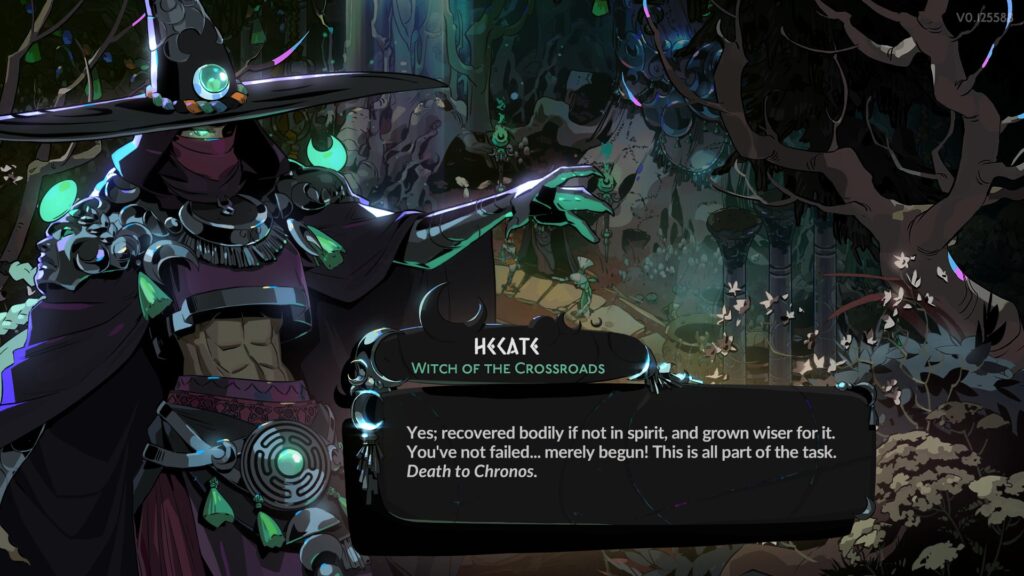
The original game’s conflict was, at its heart, a family squabble. But in Hades II, the enemy is Chronos, a being who represents a threat to Olympus and the Chthonic gods alike.
This escalation is felt in the world design. Our hub is no longer the cosy House of Hades. We’re at the Crossroads, a makeshift camp that serves as a staging ground for the war effort.
The path is no longer a singular ascent. Melinoë doesn’t only fight her way down into the depths of the Underworld. She also has to forge a path upwards to the surface to gather resources and confront Olympian foes, creating two distinct directions of progression from the central hub.
Incantation and Gathering
Progression has also been deepened.
While a system similar to the Mirror of Night exists for permanent upgrades, the true game-changer is the cauldron at the Crossroads.
Here, Melinoë can perform Incantations using reagents gathered during her runs. These are not simple stat boosts; they are world-altering spells that can unlock new features, characters, pathways, and even gameplay systems.
This is elegantly paired with a new emphasis on gathering. Throughout her journey, Melinoë can equip tools to harvest plants, mine metals, and gather other resources.
This makes every room, even without combat, a potential source of progress.
A failed run never feels wasted, which is really powerful. You might return with the exact component needed for a new Incantation. It makes the core loop of death and rebirth feel more productive than ever before.
Hades II feels like it might be a masterclass in building a sequel. It respects the foundation of what made the original a masterpiece while bravely forging its own identity.
Through its new protagonist, refined combat, grander narrative, and deeper progression systems. It offers a fresh and compelling reason to once again die, and die again, in the mythological Greek world.
This isn’t your dad’s Hades; it’s somehow a lot more and still the same. An impressive feat, for sure!
For even more opinion pieces like this, click right here.