Arcade cabinets didn’t let you pause. Time was money, and every second meant more coins. Then home consoles arrived, and suddenly, we could stop play at will. It sounds simple, but the pause button didn’t just give us a break; it rewired how we think about games entirely.
Before the pause button: From arcades to the sofa
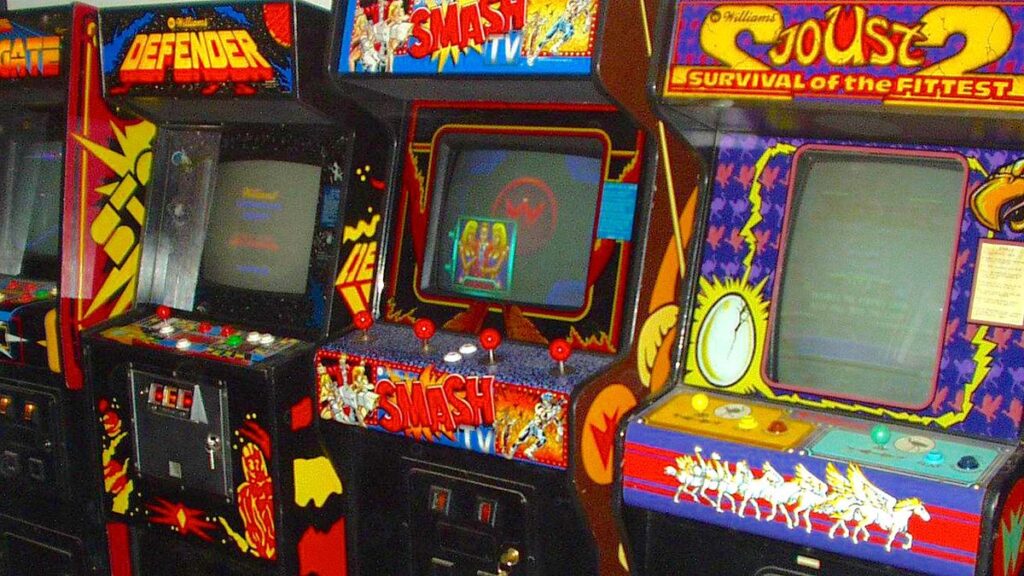
In the arcade era, “pause” wasn’t just missing; it was unthinkable. Those hulking cabinets were designed to keep you pumping in coins, every second of distraction a chance for someone else to swoop in and steal your high score. If you needed a break, you walked away, and the arcade game carried on without you.
But once gaming migrated into the home, pause became not just possible but essential. Suddenly, games weren’t confined to neon-lit arcades; they were bleeding into living rooms, bedrooms, and family spaces. The pause button gave players a way to weave games into everyday life, answering the door, grabbing a snack, or pausing to deal with a sibling barging in. It turned games from merciless coin-guzzlers into hobbies that fit around your schedule, making them far more personal and human.
Power over time
Beyond convenience, the pause button gave players something quietly revolutionary: the power to control time. It became more than just a breather; it was a tactical tool. You could freeze Mega Man mid-jump to memorise an enemy’s pattern, or pause Dark Souls right before a boss to gather your courage (and maybe your sanity). Some players even used it to frame the perfect screenshot in cinematic games like The Last of Us, capturing moments that would otherwise vanish in the chaos.
For the first time, players weren’t just surviving in these virtual worlds; they were studying, mastering, and reflecting on them at their own pace. That subtle shift gave games a new depth and longevity, as they could be dissected like literature or cinema, not just consumed in a blur.
Beyond breaks: New mechanics
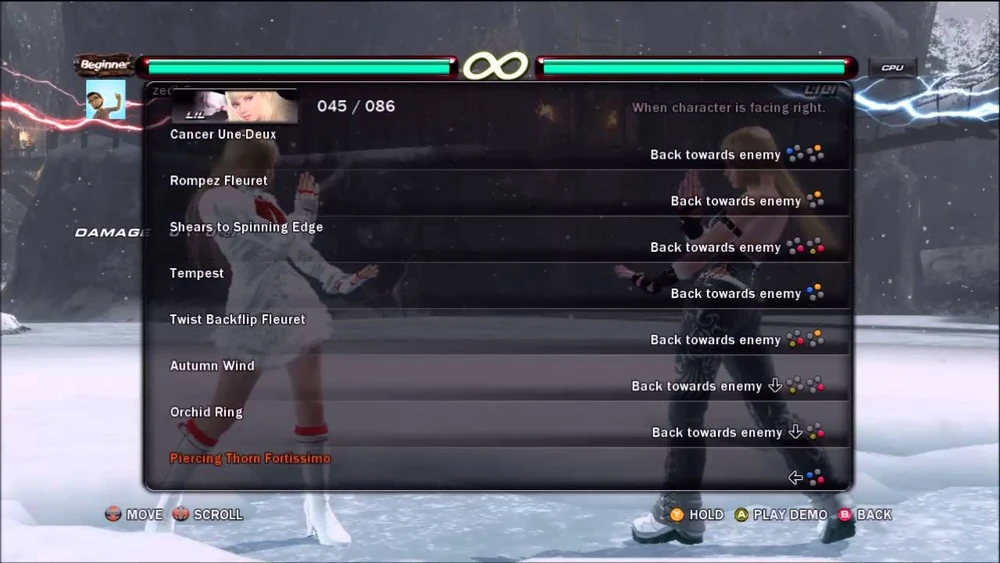
Developers didn’t take long to realise the pause button could be used for more than downtime. In RPGs, the pause screen often doubles as a strategy hub, a menu where you can pore over stats, equip gear, and map out the next ten moves without a goblin breathing down your neck. Fighting games give you access to move lists, to see if you can pull off a tasty combo to get yourself out of a muddle.
Then some games turned the pause itself into a mechanic. Superhot’s mantra “time moves when you move” is basically a love letter to the power of freezing action. Braid reimagined time manipulation as a puzzle-solving tool, building its entire identity around what was once a simple quality-of-life feature. Even modern Photo Modes are direct descendants of pause, giving players creative control over how they frame and share their experiences.
Cultural impact
Think about it: the pause button was probably gaming’s first true “quality of life” feature. It levelled the playing field, making games fairer and more accessible for anyone who didn’t have hours to sit glued to a screen. Parents could call you for dinner, your dog could need letting out, or you just needed to give your thumbs a break, and the game would wait for you.
In many ways, pause set the stage for everything that followed: save points, checkpoints, accessibility toggles. It normalised the idea that games should respect a player’s time and circumstances, rather than demand constant, uninterrupted devotion.
The modern pause
Ironically, as technology has advanced, the pause button has started to vanish. Online multiplayer shooters, MMOs, and “always-online” games strip away the luxury of halting the action. You can’t exactly freeze Fortnite while you grab a drink.
And yet, the magic of pause lingers. In single-player games, the option to freeze chaos with a single button still feels like a gift, a reminder that the player’s time matters. In an industry obsessed with speed, scale, and live-service engagement, pause is a quiet rebellion. It’s proof that sometimes the most radical thing a game can do… is stop.
It’s easy to overlook, but the pause button didn’t just change how we play; it changed who could play. It turned games from endurance tests into flexible pastimes, from coin-gobbling arcades to experiences you can enjoy around everyday life. In short, it helped games grow up.
Looking for more opinion pieces like this one? Then just click here.