


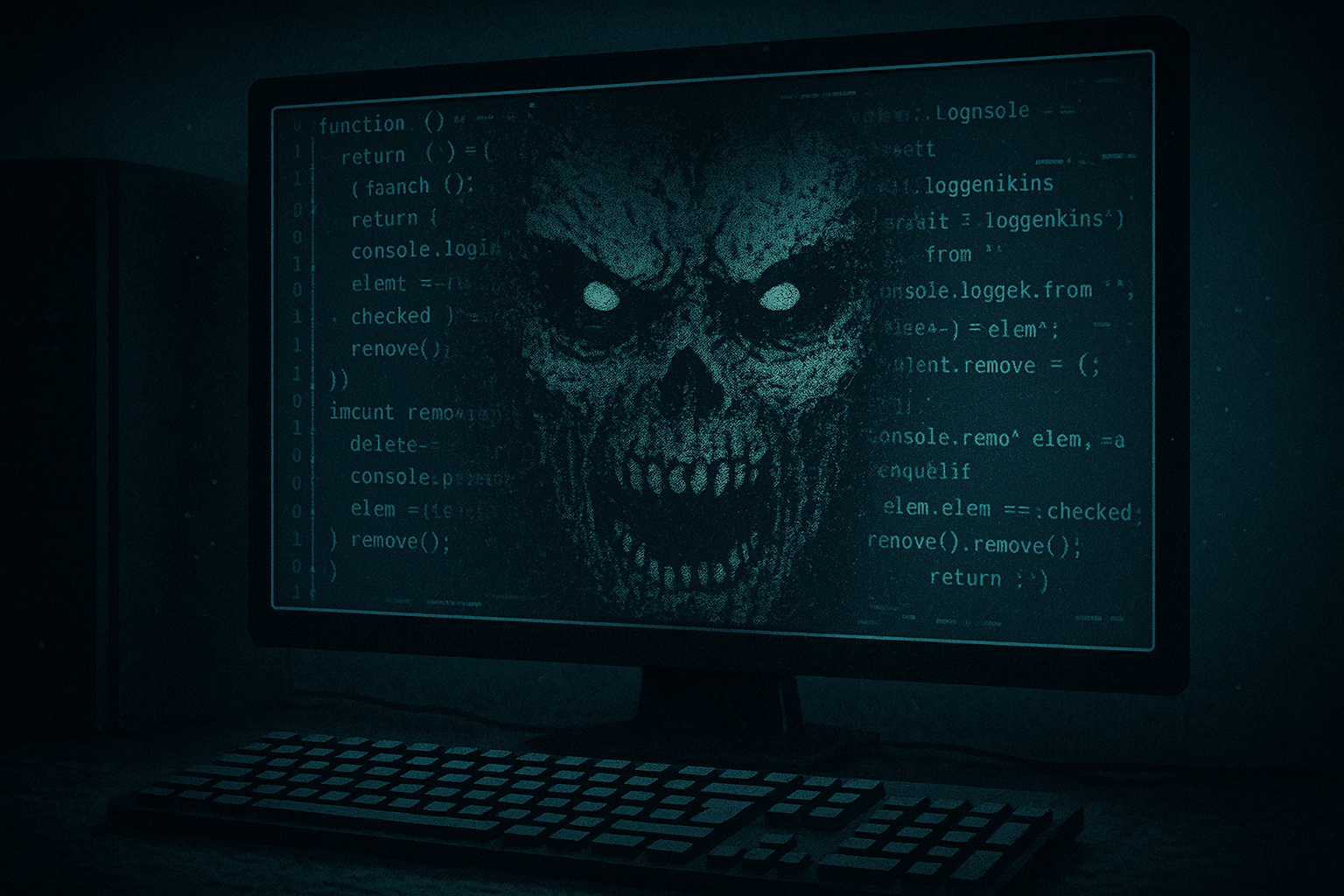
We’ve all been there: hiding in a locker, breath held, as something unnatural stalks the hallway. You know it’s only code, a collection of 1s and 0s, but it feels alive. The moment it stops, turns, and looks your way? That’s not just good design, that’s intelligent fear.
As Halloween creeps closer, it’s the perfect time to shine a flickering light on the dark heart of horror game AI; how developers craft monsters that don’t just chase you, but learn from you.
Read more: Virtual empathy: How games teach us to care about pixels

Fear with a brain: The evolution of horror AI
Once upon a time, enemies in horror games were little more than animated mannequins on rails. Their intelligence ended where their patrol route did. But as hardware evolved, so did the code behind the chaos.
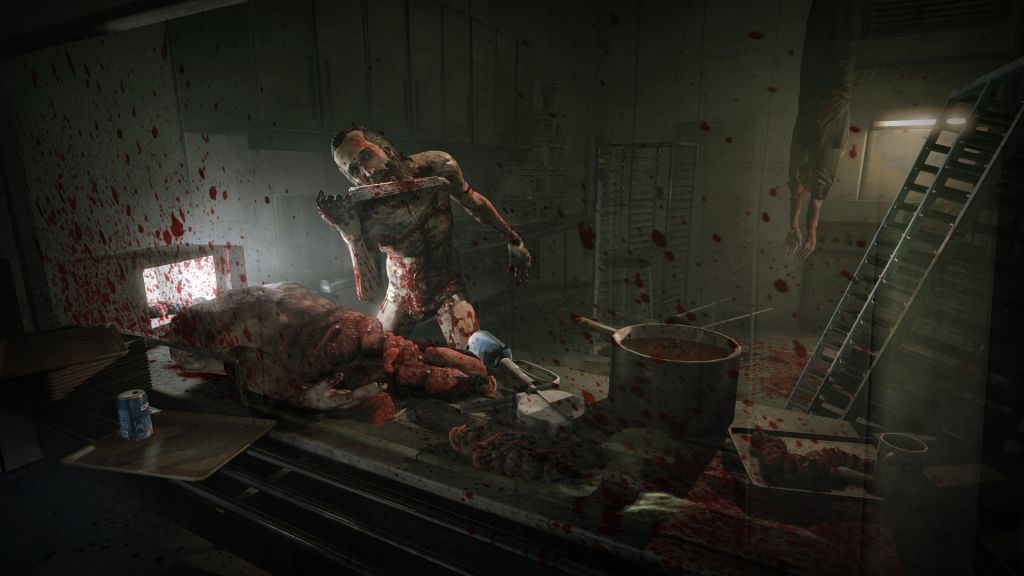
Games like Outlast showed the power of unpredictability, enemies that patrol dynamically, listen for sound, and react to light. You’re never quite sure when he might burst through a door or spot your camcorder glow in the dark. The tension doesn’t come from a scripted scare; it’s born from a system that adapts to you.
The Evil Within took that further. Its grotesque monsters don’t just hunt; they respond. Break the line of sight, and they’ll start searching. Fire a shot, and they’ll zero in on the sound. Each encounter feels personal because the AI isn’t just executing commands, it’s reacting to the environment and your behaviour.
Emergent tension: When chaos feels calculated
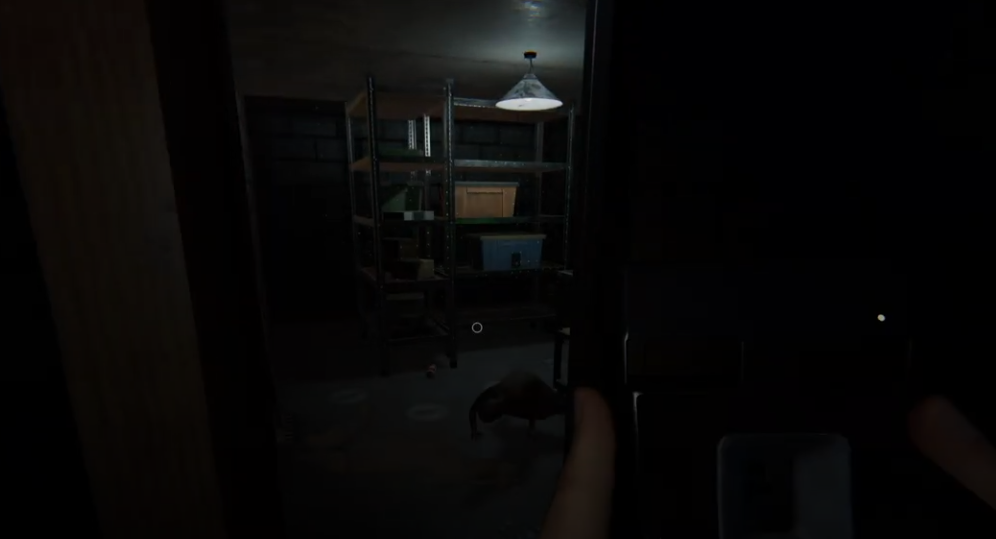
In multiplayer horror, intelligence takes on a different form. Phasmophobia turned AI into a séance of unpredictability. The ghost doesn’t just haunt, it listens. Speak too loudly through your mic, and it might find you. Spend too long provoking it, and it’ll start hunting.
The brilliance of Phasmophobia’s AI is that it blurs the line between player and system. Every haunting feels different, not because the map changes, but because the AI interprets player input in ways that feel organic, spontaneous, and terrifyingly human.

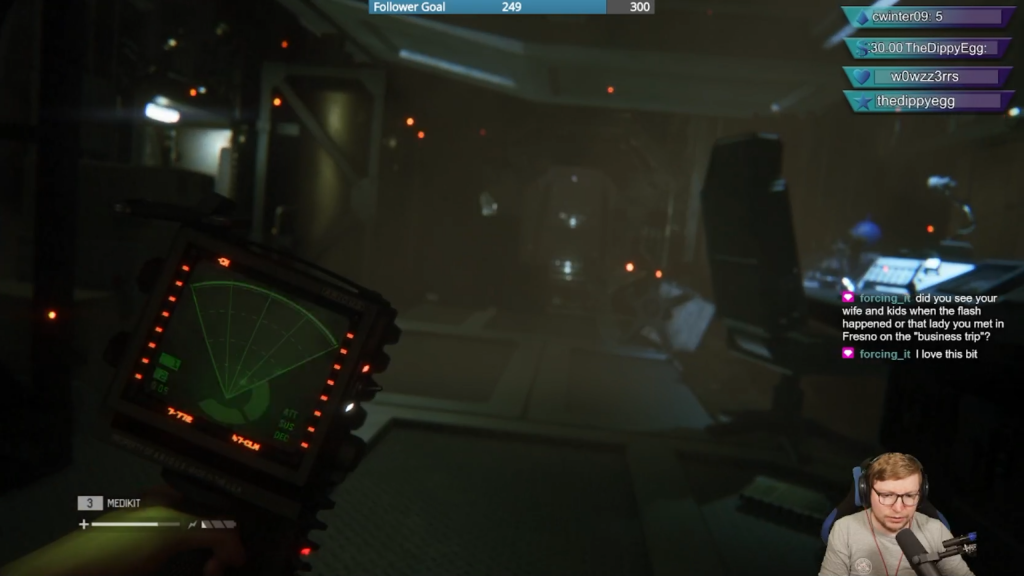
It’s the same emergent philosophy used in Alien: Isolation, arguably one of the most intelligent horror games ever made. The Xenomorph has two brains: one that knows your location and another that’s deliberately kept ignorant, feeding hints to the other in a way that makes its behaviour feel unpredictable, even though the system always knows where you are. It’s manipulative genius.
Coding the uncanny: Why unpredictability works
Fear thrives on uncertainty. Developers know this, and design AI to teeter on the edge of logic. Too random, and it feels fake. Too consistent, and it’s predictable. The magic happens somewhere in between.
Techniques like probabilistic decision trees, state machines, and blackboard AI systems allow horror developers to inject uncertainty into a monster’s next move. You never quite know if it’ll patrol left or kick down a door. And when you think you’ve learned its behaviour, it changes, forcing your brain to fill in the gaps with dread.
Even indie horror hits like MADiSON and Signalis use clever AI limitations to enhance fear. Enemies that react slowly, or only when observed, keep you questioning what’s safe, a digital version of that primal fear of the dark.
The psychology of terror in code
AI alone doesn’t create fear. It’s how it’s framed. Developers use sound cues, lighting, and environmental storytelling to turn mechanical behaviour into believable terror. The enemy’s footsteps grow louder not because it’s closer, but because the AI triggers an audio escalation loop; your mind does the rest.
And when you finally lock eyes with it? That perfectly timed roar or twitch isn’t random; it’s a scripted flourish layered onto dynamic systems. Horror developers often blend handcrafted scares with procedural logic, ensuring the experience feels organic without devolving into chaos.
Why smart monsters make better stories
Good AI horror doesn’t just kill you, it tells a story. Every escape, every hiding spot, every desperate dash becomes a personalised memory because no two players experience it quite the same way.
That’s why intelligent horror endures. Games like The Evil Within and Outlast still haunt us years later, not because of their graphics or gore, but because their monsters think. They adapt. They breathe.
As technology marches forward, expect AI in horror to evolve even further, with more emotion-driven behaviour, dynamic learning, and even player psychology tracking. The next monster under your bed might not just know you’re scared… it might know why.
For even more opinion pieces like this, click right here.
Disclaimer: This post may contain affiliate links. Purchasing through these helps support FULLSYNC at no extra cost to you.