

Another one’s been delayed.
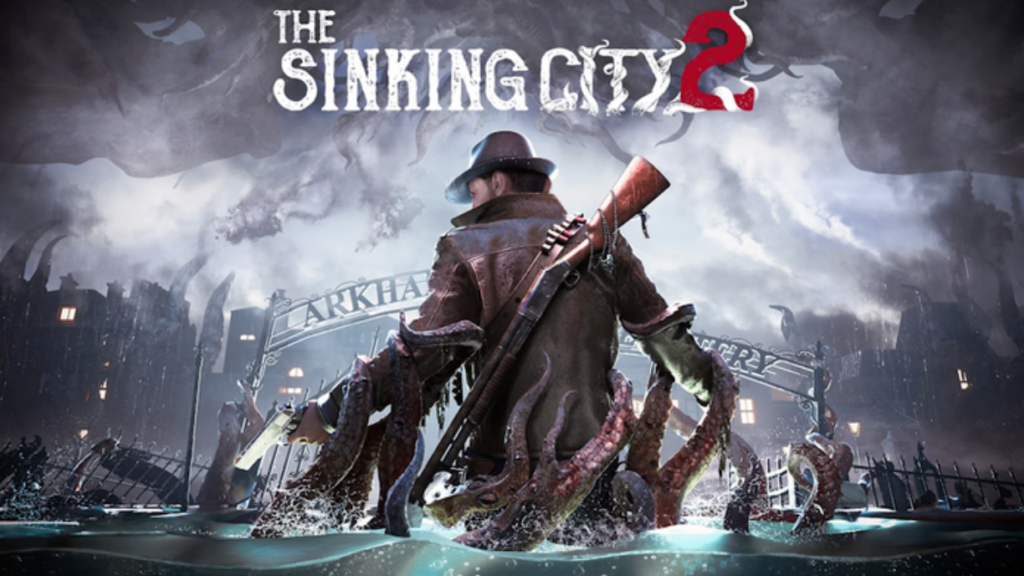
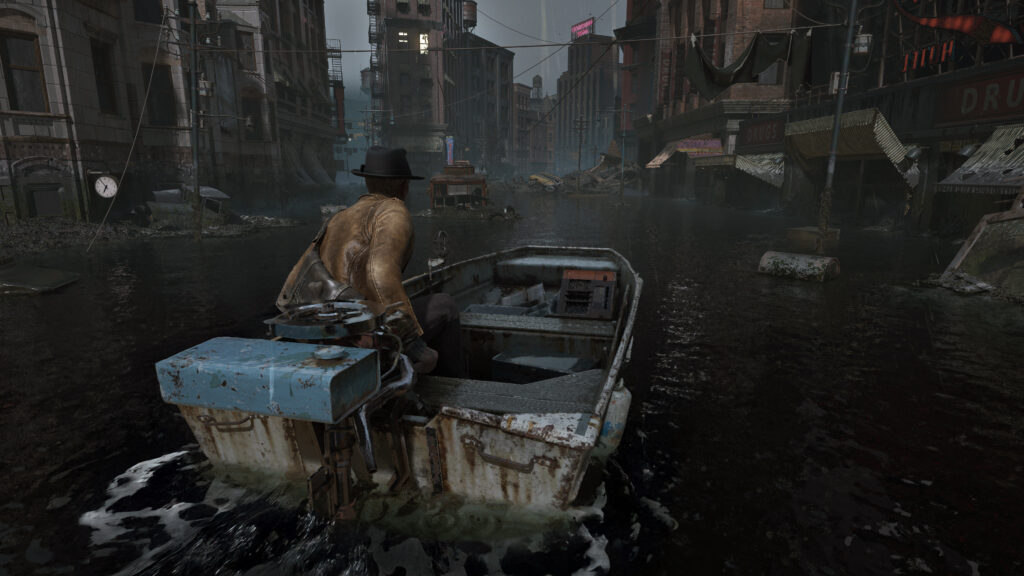
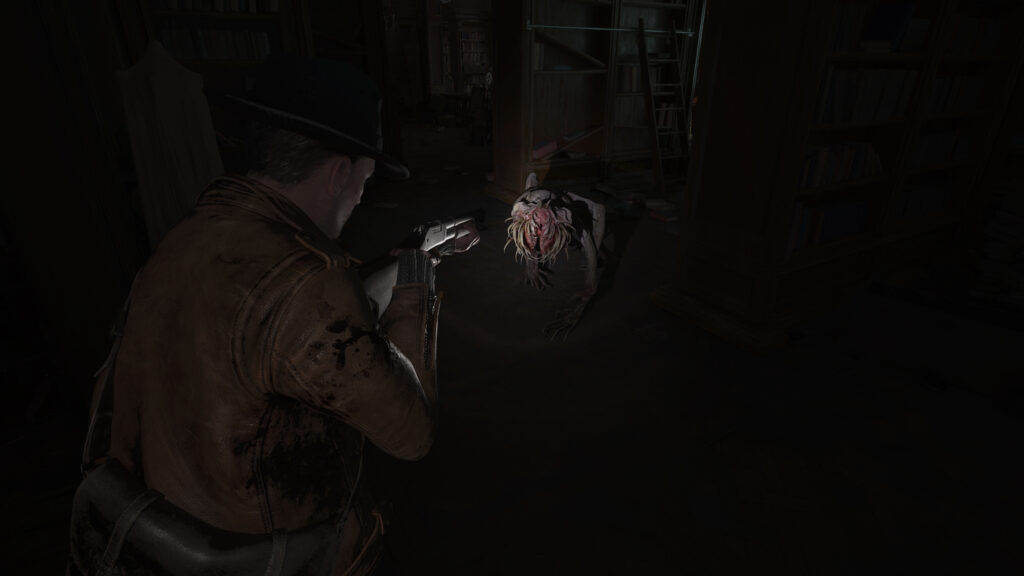
Frogwares, the Ukrainian studio behind The Sinking City 2, announced that its upcoming Lovecraftian survival horror title will now release in the first half of 2026. The team originally hinted at a potential 2025 window, but today confirmed they need more time, citing the ongoing war in Ukraine and the ambitious genre shift they’re undertaking for this sequel.
For fans eager to dive back into the murky depths of madness, it’s easy to sigh and scroll on. After all, delays have become almost as common as trailers these days. But in an industry obsessed with release dates, pre-orders, and day-one patches, maybe we’ve forgotten that waiting isn’t always a bad thing.

The culture of instant gratification
Gamers, and the industry itself, have grown used to immediacy. Early access launches, live-service updates, “it’ll be patched later” releases. Everything is built to feed the now. But when you step back and look at what this has done to studios and players alike, it’s hard not to see the cracks.
Rushed launches lead to broken releases, PR disasters, and burned-out developers. Crunch culture, the term now synonymous with sleepless nights and missed milestones, became a by-product of this constant pressure to deliver. And even though many studios have vowed to do better, the truth is, it’s hard to slow down when everyone’s sprinting.
So when a team like Frogwares, developing under extraordinary circumstances, says they need more time, it’s not just a delay. It’s a statement: quality matters more than a quarter’s revenue report.
History proves patience pays off
Think about it, how many games have truly benefited from taking the scenic route to release?
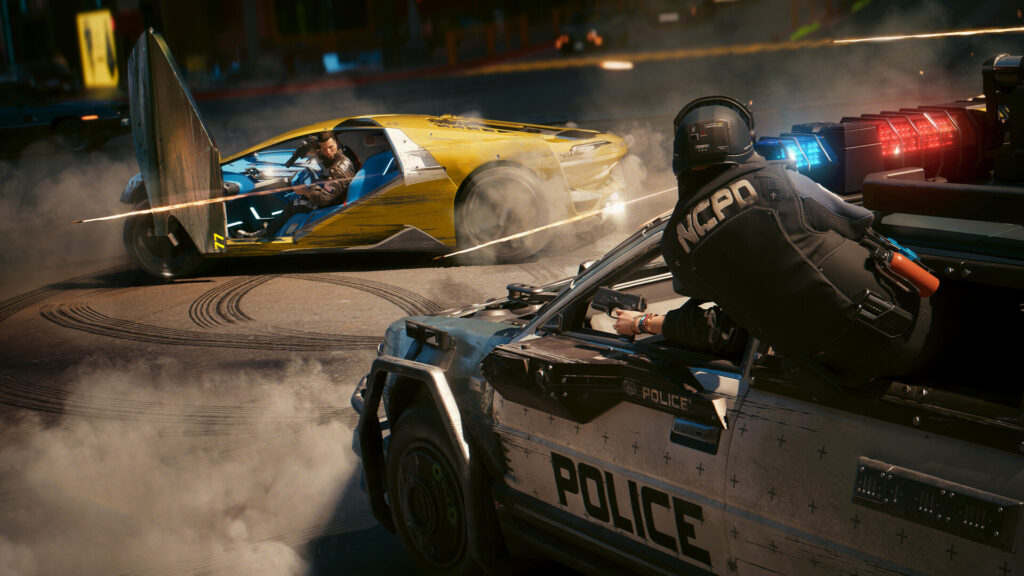
Cyberpunk 2077 may have launched early and stumbled hard, but after years of updates, it’s finally become the experience it was meant to be. Baldur’s Gate 3 spent years in Early Access, refining systems and storytelling until it emerged as a modern classic. Alan Wake 2, delayed multiple times, launched as one of the most atmospheric horror experiences of the generation.
In contrast, how many titles do we remember for rushing out broken and fading fast? The list is longer than we’d like to admit.
Developers are human too
There’s a tendency among fans, especially in online spaces, to treat developers as machines that churn out code and content. But behind every delay is a group of people trying to make something they can be proud of.
For Frogwares, that challenge is compounded by real-world circumstances. The team continues to work in a country under siege, yet remains committed to pushing creative boundaries. A survival horror shift from their traditional detective-style adventures is no small leap. Taking extra time to ensure it lands properly isn’t just smart, it’s necessary.
As the studio put it, they want to finish The Sinking City 2 “on their own terms.” That kind of honesty deserves respect.
Good things take time
It’s easy to joke about delays, meme about waiting “one more year,” or groan at another open letter. But maybe we’re slowly entering a healthier era, one where studios choose transparency over timetables.
Yes, waiting can be frustrating. But the alternative, burnout, broken promises, and unfinished visions, is far worse.
If The Sinking City 2 needs more time to become the eerie, atmospheric experience Frogwares clearly wants it to be, then it’s time well spent.
Because sometimes, the best horror isn’t in the delay, it’s in what happens when developers are forced to rush.
For even more opinion pieces, click right here.
Disclaimer: This post may contain affiliate links. Purchasing through these links helps support FULLSYNC at no extra cost to you.