


In the right hands, a video game can make you cry over a pile of polygons. That’s not hyperbole, it’s proof of something powerful.
Games have come a long way from high scores and kill counts. They’ve evolved into interactive mirrors that reflect who we are and who we could be. They let us feel, not because they tell us to, but because they make us complicit in their worlds. In an era of branching narratives, moral choices, and characters that remember what we’ve done, empathy isn’t just an emotion anymore; it’s a gameplay mechanic.
Beyond the screen
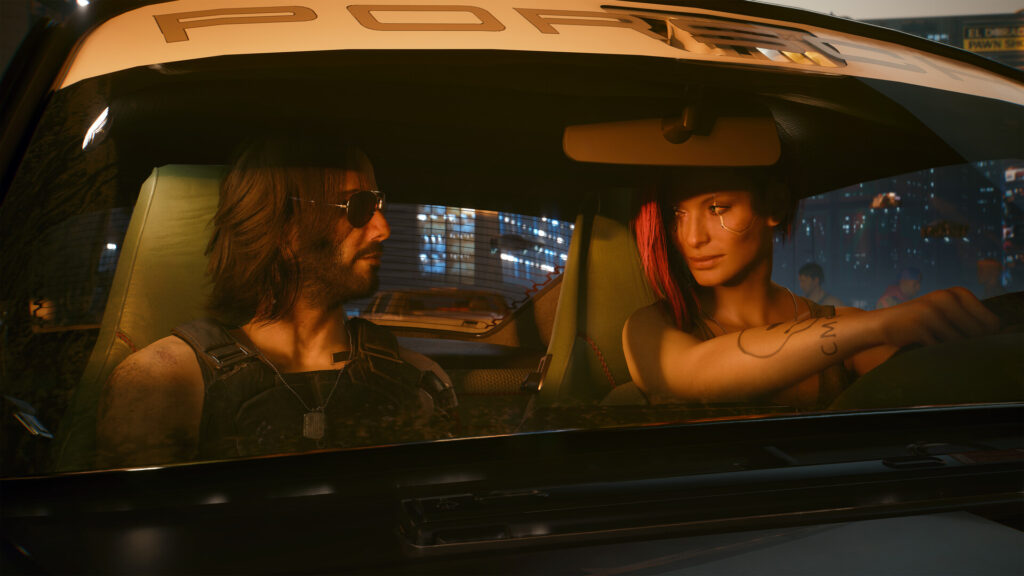
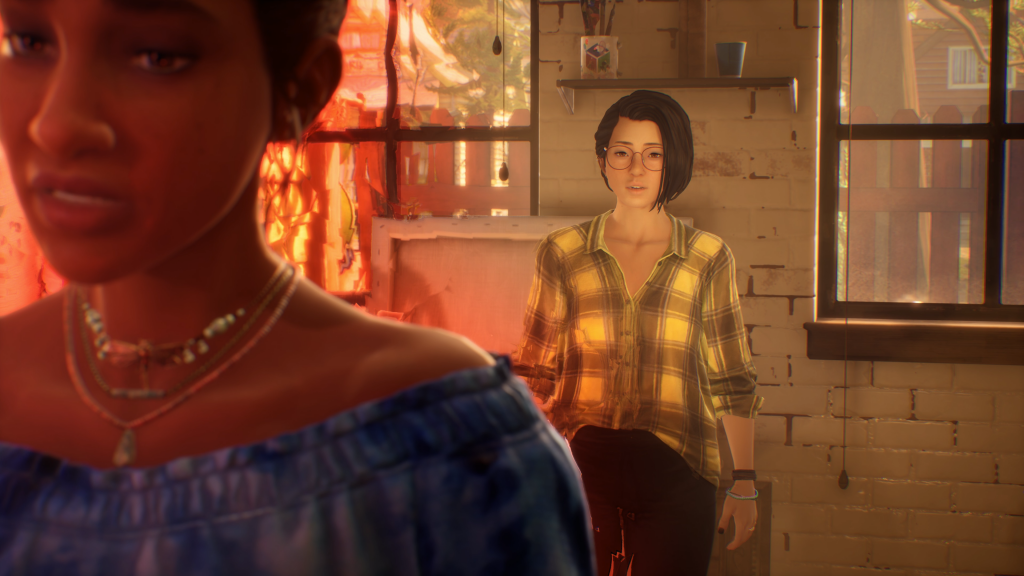
When we talk about emotional storytelling in games, the usual suspects come to mind: Life is Strange, The Last of Us, Arctic Awakening, Cyberpunk 2077. Each of these titles pulls you in with a story, sure, but more importantly, they make you responsible for it.
In Life is Strange, you’re not a passive observer of tragedy; you cause it, rewind it, or try desperately to prevent it. Every choice has weight because the game invites you to sit with the consequences. In Cyberpunk 2077, the best moments aren’t in the gunfights but in the quiet conversations, a city of chrome and corruption where humanity still flickers under the neon haze.
Empathy in games isn’t about identifying with a character. It’s about understanding them through the things you do.
The player’s burden
Films and books can make you cry, but games make you choose.
That choice is where empathy thrives.
When The Walking Dead asked players to decide whether Clementine should trust someone, or when Mass Effect forced you to pick which crew member lived or died, the emotional hit wasn’t scripted; it was earned. The guilt, the relief, the “what if I’d done it differently?” lingered because it was your decision.
That’s the secret sauce. Empathy in games doesn’t come from watching someone else suffer. It comes from realising you had a hand in it.
Morality as a mechanic
What’s fascinating is how developers are learning to code morality itself.
The Paragon/Renegade meters of the 2000s have given way to subtler systems. Games like Detroit: Become Human and Disco Elysium don’t reward you for being good or evil; they simply show you the consequences of existing. Your morals aren’t numbers anymore; they’re narrative gravity.
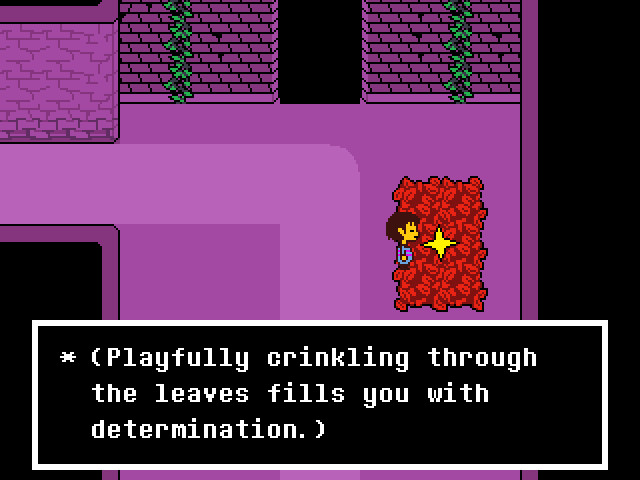
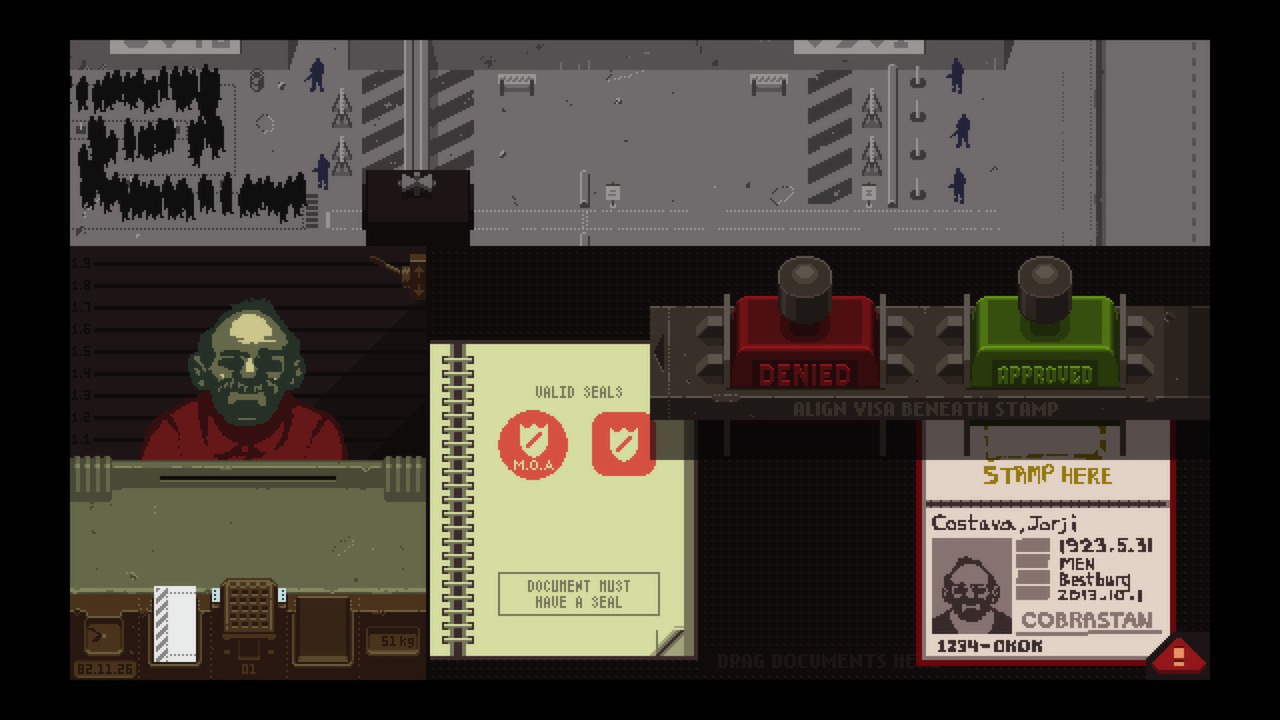
Even smaller indie games are exploring this space. Undertale famously let you complete the entire game without killing a single enemy, only to guilt-trip you if you didn’t. Papers, Please made empathy an occupational hazard, forcing you to stamp passports while hearing the stories of people trying to survive under a totalitarian regime.
In both cases, the player learns empathy not through sentimentality, but through systems. The rules of the game become the lessons themselves.
AI, relationships, and emotional realism
As artificial intelligence continues to shape the future of games, developers are experimenting with dynamic empathy, characters that respond not just to dialogue choices, but to tone, behaviour, even hesitation.
In Cyberpunk 2077: Phantom Liberty, a small delay before answering a question can change how someone reacts to you. In Baldur’s Gate 3, your companions remember the smallest decisions and bring them up hours later, subtly reshaping your relationships.
This kind of design blurs the line between empathy and accountability. You’re no longer role-playing; you’re emotionally negotiating with digital beings. They might not be real, but the feelings they provoke absolutely are.
Why we need these stories
It’s easy to dismiss emotional storytelling as fluff in an industry that still glorifies explosions and leaderboards. But empathy-driven design isn’t just artistic indulgence; it’s vital.
In a world where online discourse thrives on outrage and disconnection, games quietly remind us what it’s like to listen, to consider another perspective, to feel the consequences of our choices. They’re empathy engines disguised as entertainment.
And that’s what makes them so uniquely powerful.

When pixels feel like people
There’s a reason we still talk about Aerith’s death in Final Fantasy VII nearly three decades later, or cry at the ending of Red Dead Redemption 2. These moments aren’t memorable because of their graphics or mechanics; they endure because they made us care.
A good story tells you what happened.
A great game makes you wonder if you could have changed it.
As technology evolves and writers keep pushing the boundaries of player choice, that feeling, that quiet, complicated empathy, will keep driving the medium forward.
Because in the end, it’s not about saving the world. It’s about saving the part of ourselves that still gives a damn about pixels on a screen.
For even more opinion pieces like this one, click right here.
Disclaimer: When you click on some of the links in this post, they may take you to a store where you can buy the games. If you click these and purchase something, it may earn us a commission as they’re affiliate links. It doesn’t cost you more to do this; in fact, sometimes our links come with exclusive discounts, so you could potentially save money. But you don’t have to use them. If you do, though, it’ll help us earn some money to keep the site running. So thank you if you choose to use them.