


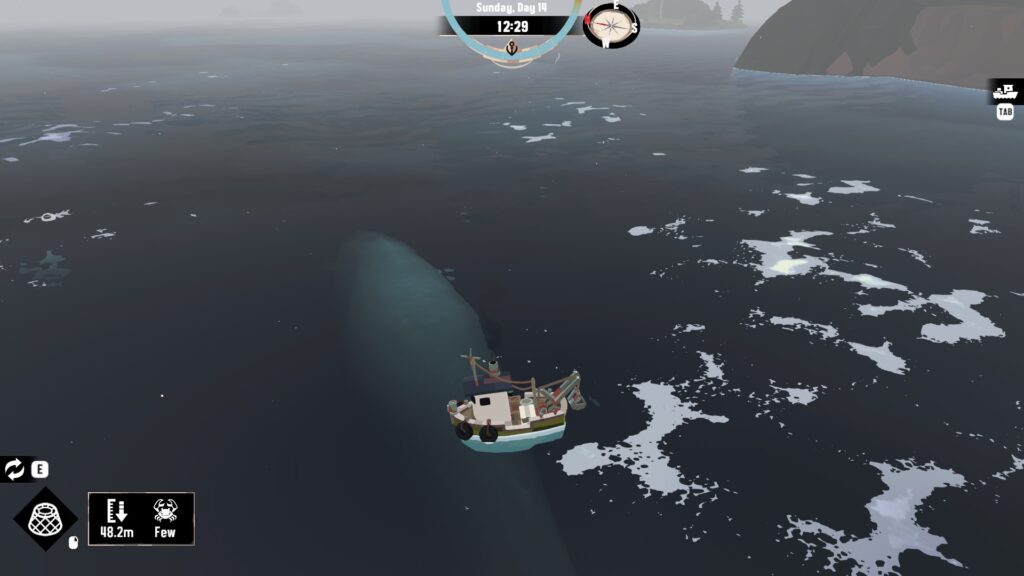
Horror games used to be about blood, screams, and jump scares. Now, they’re about warm lights, gentle melancholy, and a creeping sense of unease that feels… oddly comforting.
Welcome to the world of cosy horror, a genre where the macabre and the mundane coexist, and where fear isn’t about monsters in the dark, but the quiet dread of being human.
When terror slows down
There’s something strange happening in horror right now. While big-budget titles chase realism and spectacle, smaller developers are carving out something more personal.
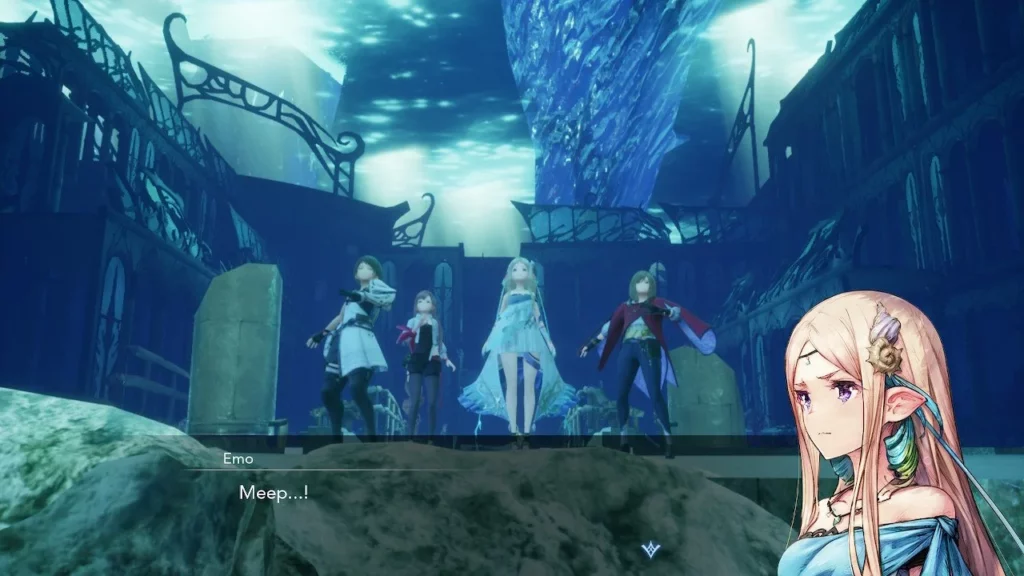
Games like Dredge, Little Misfortune, and Harvestella aren’t trying to make you scream; they want you to feel. These are stories about loneliness, curiosity, and the beauty of decay. You’re not running from the killer; you’re learning to live with the ghosts.
It’s a mood that sits somewhere between a bedtime story and a fever dream. The sea is calm but hides impossible creatures. The house is safe, until it isn’t.
This new wave of horror understands that fear doesn’t have to be loud to get under your skin; sometimes, it just has to linger.
The power of atmosphere over adrenaline
What makes cosy horror work isn’t the threat, it’s the tone.
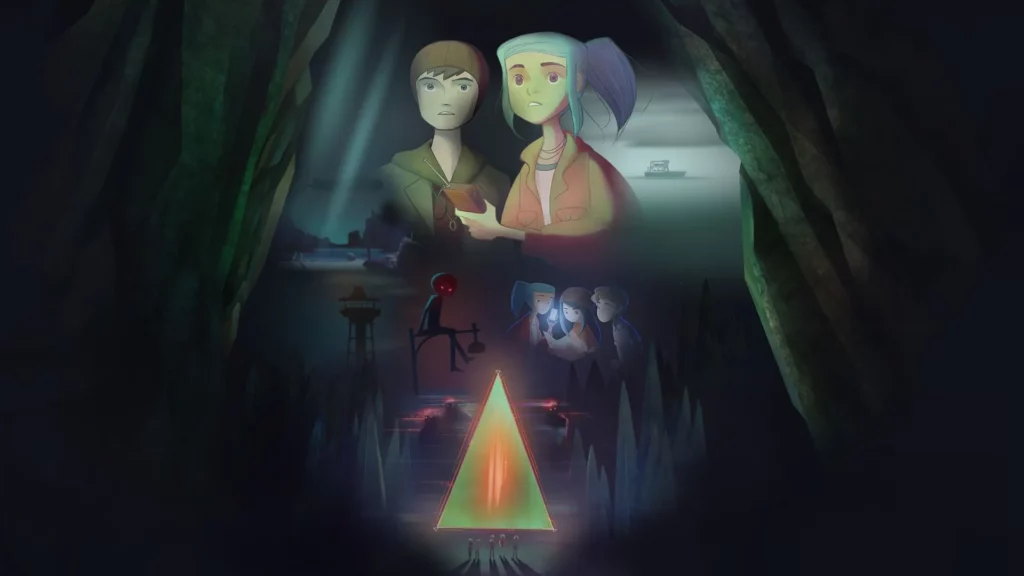
Games like Oxenfree or The Last Campfire wrap their unease in soft colours and peaceful soundtracks. You’re lulled into a sense of calm, only for something subtle to twist reality.
That balance is everything. Players explore worlds that feel alive, even when they’re falling apart. There’s comfort in the strangeness, beauty in the decay.
It’s horror for people who don’t like horror stories that trade shock for empathy, gore for melancholy.
Why we crave comfort in the uncanny
Part of cosy horror’s appeal is timing. After years of constant chaos in both gaming and the real world, players are seeking experiences that allow them to process fear safely.
Cosy horror doesn’t punish you for feeling uneasy; it validates it. The monsters aren’t metaphors for evil; they’re reflections of sadness, grief, or guilt.
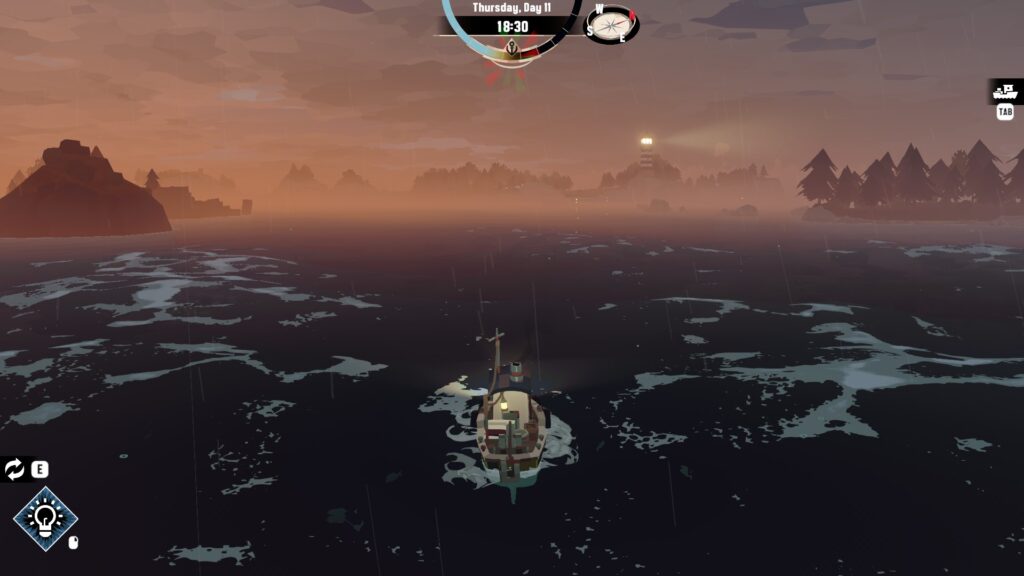
In Dredge, you’re a fisherman surrounded by fog and unspoken horrors, but the game’s rhythm feels meditative. You’re doing something routine, even wholesome, in a place that’s quietly wrong. That mix of safety and tension makes it compelling.
We’ve traded the scream for the sigh, a softer, slower kind of fear that stays with you long after you switch off the screen.
A genre built on empathy
Cosy horror also leans on emotion. Instead of power fantasies, it offers understanding. You’re not conquering evil, you’re learning to coexist with it.
Little Misfortune captures this perfectly: a tragic, naive child wandering through a world that constantly betrays her innocence. It’s funny, it’s sweet, and it’s devastating.
These games make us care deeply, not about surviving, but about feeling.
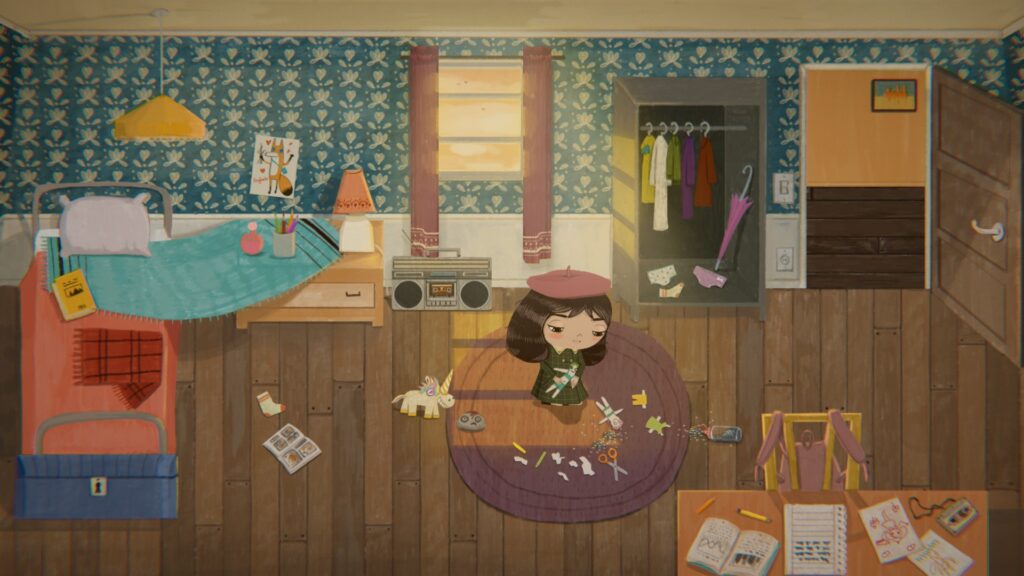
The future of cosy horror
As horror evolves, so does the audience. Cosy horror is proof that fear can adapt, that it can whisper instead of scream, and still leave you haunted.
Expect to see more of it in the years ahead: more hand-drawn nightmares, more softly spoken ghost stories, more tales that remind us that sometimes, being scared isn’t about dying, it’s about feeling alive.
Because maybe the real horror isn’t in the dark. Maybe it’s in the comfort of knowing the dark is always there, waiting, quietly.
For even more opinion pieces like this, click right here.
Disclaimer: While some things, whether in cosy horror games or not, lurk in the dark and hide from you. We don’t hide that we use affiliate links. That’s why we’re letting you know this article contains some, but you don’t have to use them. If you do, though, then it may earn us a small commission we can put towards running our website. Thanks in advance!