


The UK has seen a clear resurgence in Magic in recent years, and much of that momentum has been driven by renewed interest in Magic: The Gathering cards as individual purchases rather than sealed products. Players returning to the game are often skipping booster boxes entirely, choosing instead to buy the exact cards they need to play the formats they enjoy.
This shift has lowered the barrier to entry and encouraged lapsed players to rejoin local scenes, online communities, and organised play. For many, the starting point is a well-stocked singles catalogue like this one for magic the gathering cards, which allows players to rebuild decks quickly and with confidence.
This renewed focus on singles has also changed buying habits across the UK. Instead of opening packs in the hope of finding something useful, players are approaching the game with clearer goals. Commander decks, competitive lists, and nostalgic builds all rely on specific pieces, and access to reliable singles retailers has made those goals achievable. The result is a more deliberate and informed player base that values card choice, condition, and availability over chance.
Why singles matter more than ever
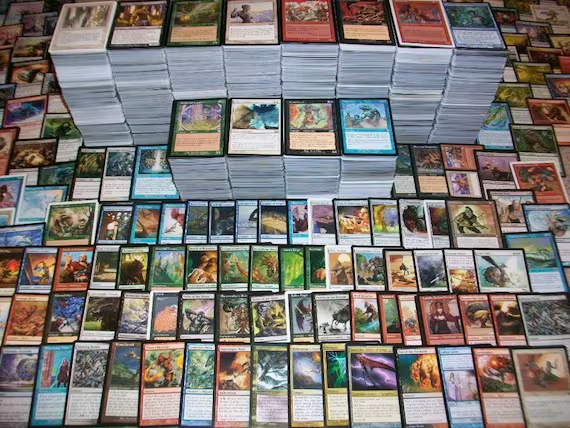
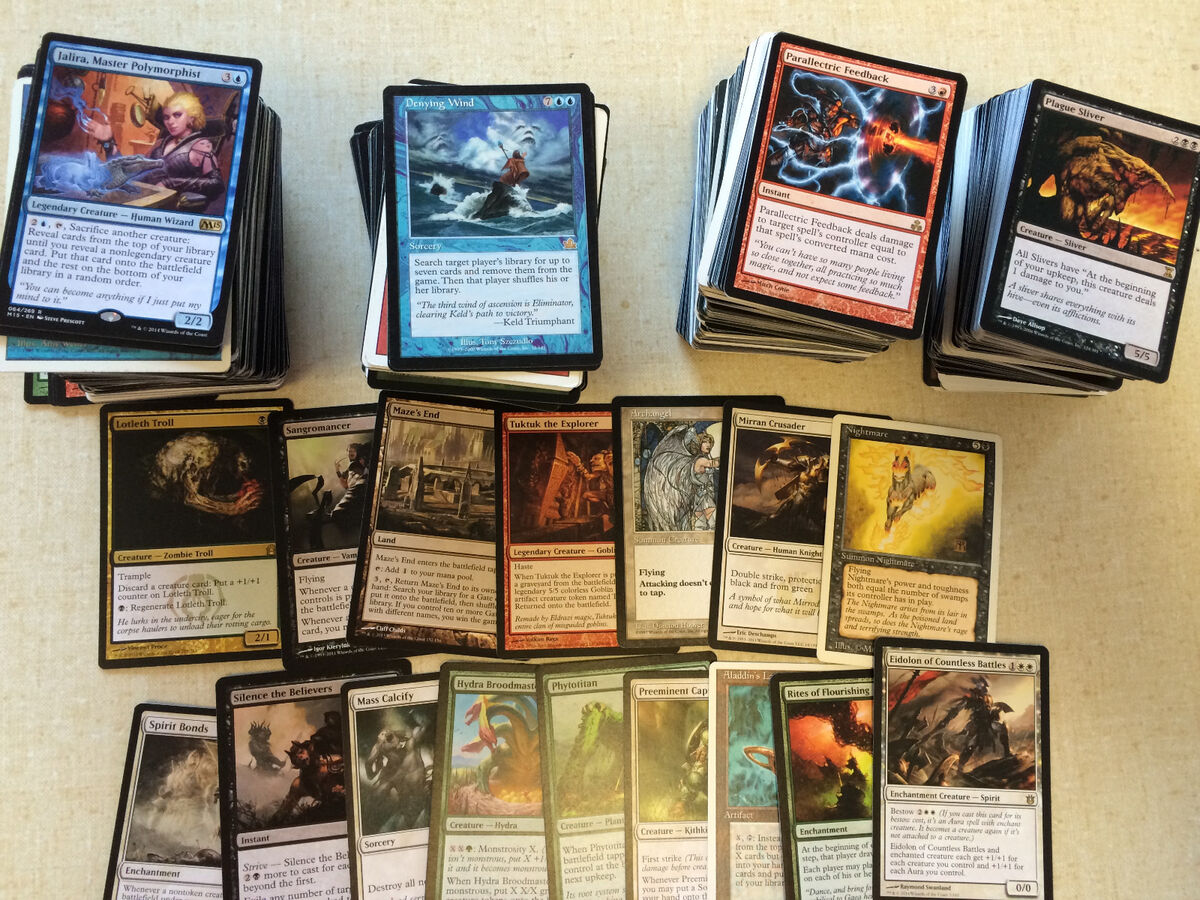
Singles sit at the centre of the modern Magic experience. Formats popular in the UK, especially Commander, thrive on variety and personal expression. A single card can define an entire deck, and demand often follows play patterns rather than release schedules. When a card becomes popular in casual circles or appears in tournament results, its value can rise quickly as players look to secure copies.
This has created a dynamic economy where cards are constantly moving between players, stores, and collections. UK retailers that specialise in singles benefit from steady, year-round activity rather than short bursts tied to new set releases. Players benefit too, as they gain access to cards that would otherwise be locked behind expensive sealed products or long print runs.
How the singles economy works
The singles economy is shaped by supply, demand, and visibility. Cards printed in smaller quantities or tied to older sets naturally become scarcer over time. When those cards remain relevant in popular formats, prices tend to hold or increase. At the same time, reprints can soften prices and make powerful cards more accessible, which often fuels further interest and play.
UK-based sellers play an important role in this balance. Domestic stock reduces reliance on international shipping, avoids import costs, and provides clearer pricing for buyers. This has helped build trust in the local market and encouraged players to buy, sell, and trade more actively within the UK rather than looking overseas.
Collecting, playing, and value
Not every player buying singles is treating Magic as an investment, but value awareness has become part of the culture. Players understand that condition, edition, and print history matter. A well-kept card from an older set can carry both emotional and financial weight, especially for those returning to the game after a long break.
At the same time, singles allow players to stretch their budgets further. Instead of spending heavily on sealed products with uncertain outcomes, players can focus their money on cards that will see regular play. This practical approach supports long-term engagement and keeps collections relevant rather than bloated with unused cards.

A healthier future for UK Magic
The resurgence of Magic in the UK is not driven by hype alone. It is supported by a stronger singles market, informed players, and retailers who understand how people actually play the game. Singles-focused buying encourages creativity, supports local stores, and keeps older cards in circulation rather than forgotten.
As more players return to the game and new players enter through accessible formats, the role of single cards will only grow. The UK Magic scene is no longer built around chasing the newest release. It is built around choice, community, and the lasting appeal of individual cards that continue to shape how the game is played.
For even more opinion pieces like this, click right here.