


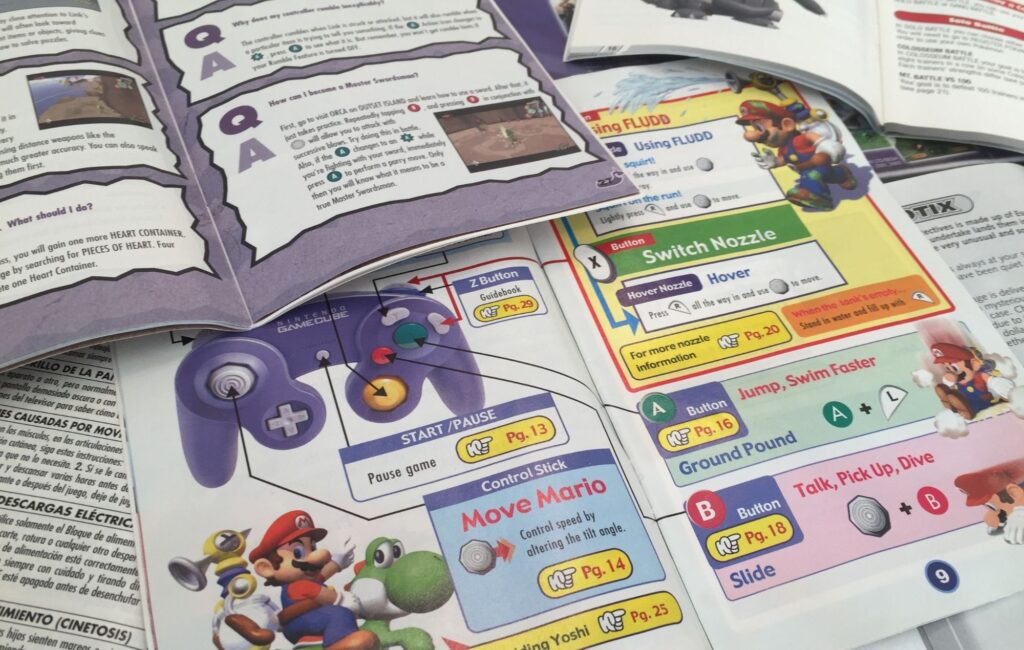
There was a magic to unwrapping a new game in the ’90s and 2000s. Before the disc spun up or the cartridge clicked into place, you had the game manual; thick, glossy, sometimes bursting with colour. For many players, that little booklet was the true beginning of the adventure.
You’d flick through the pages on the car ride home, learning about worlds you hadn’t yet stepped into, memorising controls, or just admiring the artwork. Game manuals weren’t just guides. They were part of the package, part of the experience.
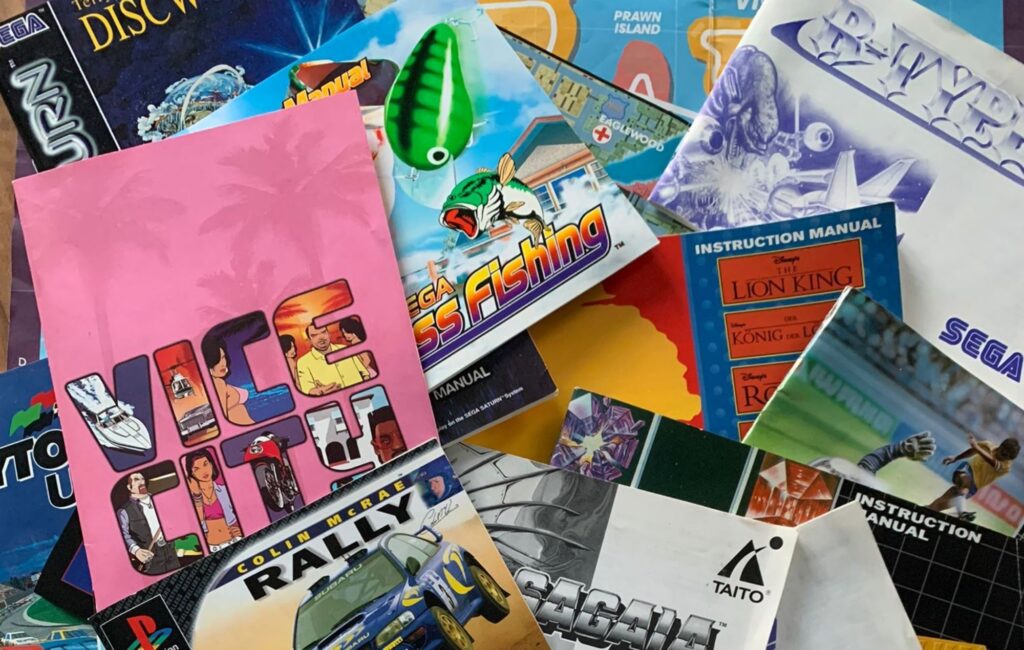
From necessity to art
Originally, game manuals were born out of necessity. Hardware couldn’t always explain mechanics through on-screen tutorials, so players needed a written companion. But game developers quickly saw the opportunity to do more. Manuals became miniature art books, stuffed with maps, character bios, sketches, and sometimes even full-blown lore. Classic titles like The Legend of Zelda and Final Fantasy turned their manuals into world-building tools, setting the stage long before you pressed start.
The weird little gems inside
Manuals weren’t just practical; they were weird and wonderful. Fighting games like Street Fighter II gave every character quirky stats and backgrounds that didn’t always show up in the game. EarthBound famously shipped with a massive, guidebook-style manual full of odd humour and fake adverts. Even the most basic manuals would slip in “flavour text” that added personality.
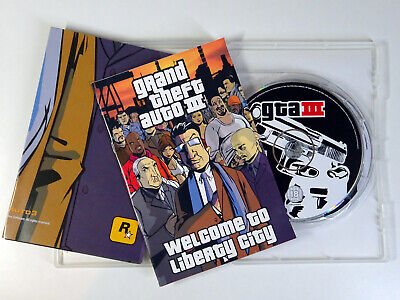
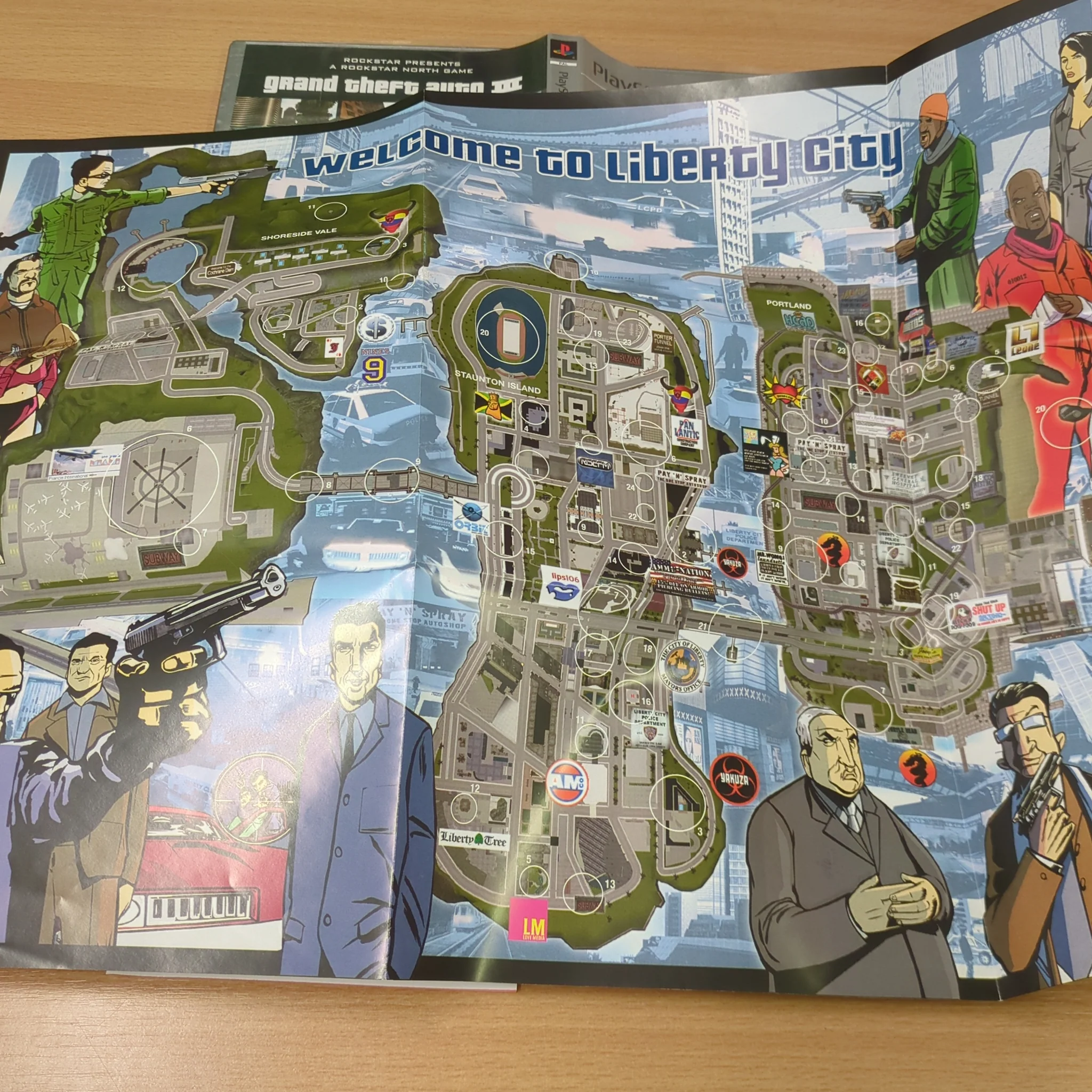
And who can forget when the Grand Theft Auto series started giving away entire maps of their worlds with their game manuals? These details stuck with us. They made games feel bigger, richer, and stranger than what fit on the screen.
The decline of manuals
But as games grew more sophisticated, the need for manuals shrank. On-screen tutorials, digital distribution, and cost-cutting measures all chipped away at them. By the time the Xbox 360 and PS3 rolled around, game manuals were slimmed down to legal disclaimers and button layouts, if they existed at all. The ritual of thumbing through a booklet on the bus ride home disappeared, replaced with patch notes and loading screen tips.
Why we miss them
What manuals brought, and what digital replacements can’t replicate, was tangibility. They were physical artefacts that made owning a game feel complete. Manuals could be revisited years later, stirring nostalgia or reminding you of obscure lore. They made games collectable, not just playable. In an age where so much of gaming lives in the cloud, the absence of manuals feels like losing a small, tactile piece of the medium’s history.
Manuals as relics
Today, original manuals are prized by collectors. They’re scanned, archived, and remembered fondly by retro fans. Some indie developers even produce faux-manuals as Kickstarter rewards, tapping into that nostalgia. They’re reminders that once upon a time, games didn’t just live on-screen, they lived in your hands, on your shelves, and in little booklets that sparked imagination before a pixel had even loaded.

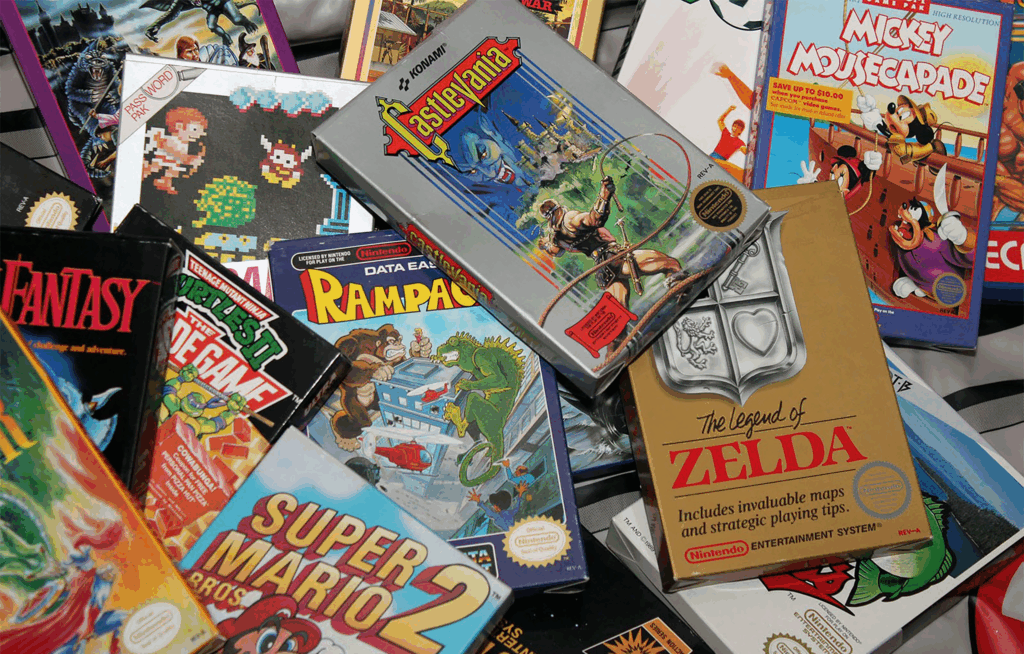
Game manuals may never make a proper comeback; the industry has moved on, and players expect slick tutorials and seamless onboarding. But that doesn’t mean we can’t celebrate what they gave us. They were part of the ritual, part of the magic, and part of what made games feel like treasured artefacts rather than just digital downloads.
So next time you pop open an old game case and find a creased, half-forgotten game manual inside, give it a flip through. You might just rediscover a lost joy and remember that sometimes, the little extras mattered just as much as the games themselves.
Want to read even more feature pieces like this one right here? Then just click here to head on over to our feature section.