


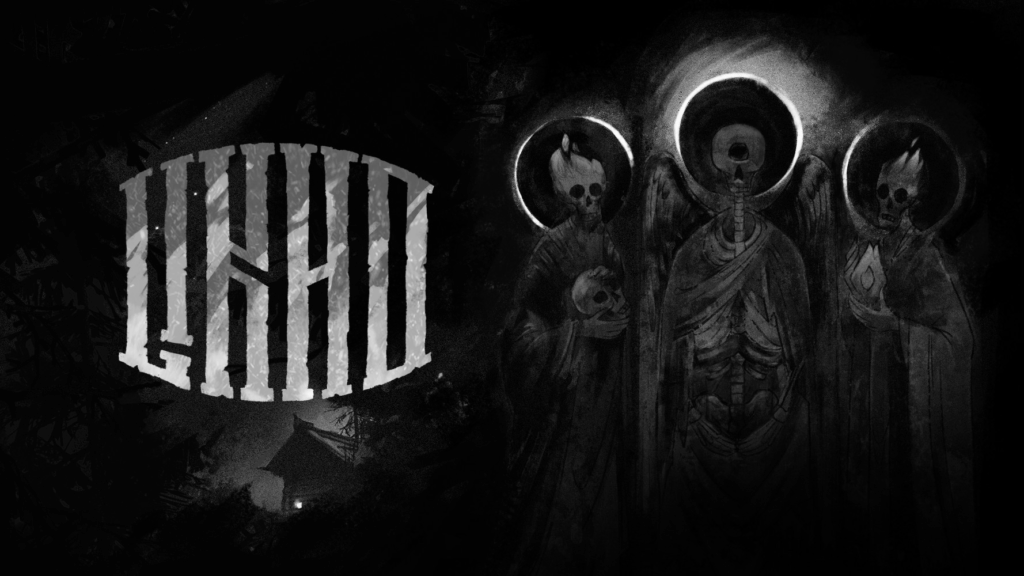
One-Eyed Likho doesn’t just dip a toe into Slavic folklore; it plunges headfirst into its tangled roots and drags you down with it. Developed by the talented weirdos at Morteshka, this monochrome nightmare isn’t your typical horror game. It’s a playable folk tale, grim, surreal, and sometimes darkly beautiful, where you, a blacksmith, stumble deeper and deeper into cursed woods in search of the titular Likho: the one-eyed embodiment of pure misfortune.
Now, before we get into the review, don’t forget that ahead of launch, we sat down with Vladimir Beletsky to chat about One-Eyed Likho. You can learn more about the development process and the game’s inspiration by checking it out. Just click here to go and give it a read, and check out the video below for some of our gameplay footage.

Story time
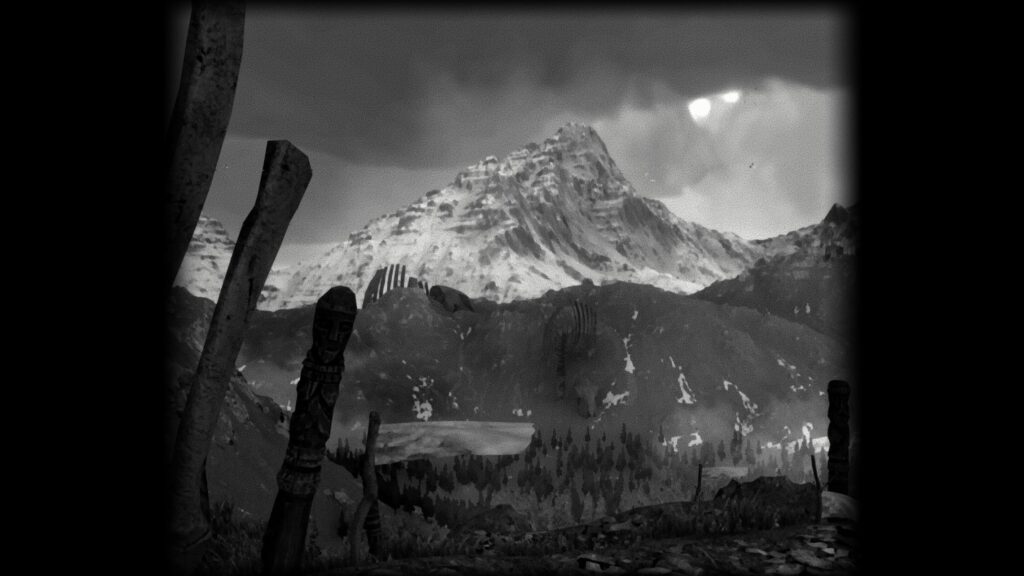
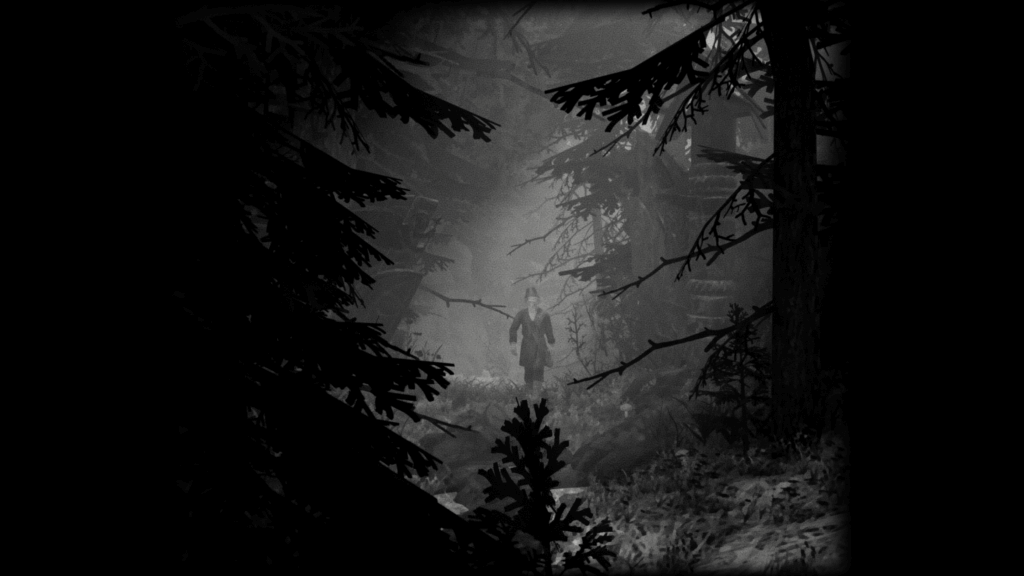
You play as a blacksmith chasing the titular Likho, the one-eyed embodiment of misfortune, through a 19th-century Russia that’s been bled dry of colour but bursting with eerie life. It’s all in black and white, think Obra Dinn meets Mundaun with a heavy pour of Slavic dread.
What starts as a journey shared with your companion, the Tailor, quickly turns into something much more grotesque. In one of the game’s most unhinged moments, Likho literally rips the Tailor’s head off, and yet, somehow, the severed thing keeps talking, glowing eyes and all, rolling down the path as if nothing happened. It’s disturbing, yes, but it’s also strangely poetic, just like the tales you uncover as you play.
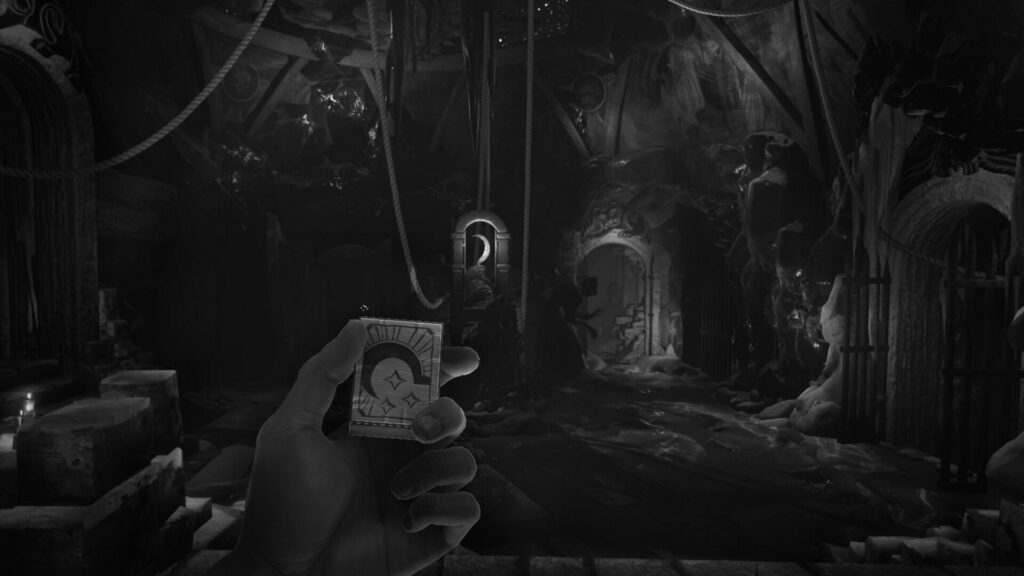
As you progress, you’ll begin to solve puzzles which unlock a series of similar stories from around the world that echo one another in eerie ways. These aren’t just filler collectables, they’re knowledge bombs with academic weight, and One-Eyed Likho respects the intelligence of its players enough to let you draw the lines yourself.
To me, they were a symbol of how, despite vast distances between cultures, many of our folk tales entwine with one another, as if they were all inspired by the same story. Much like ancient flood myths, such as Noah’s Ark, matching stories across Sumer, Akkad, and Babylon.
That’s when you begin to realise: these nightmares didn’t come from one place, they came from everywhere. Except, these stories are already written, and One-Eyed Likho is all about creating your own.
Light a match, set the world alight
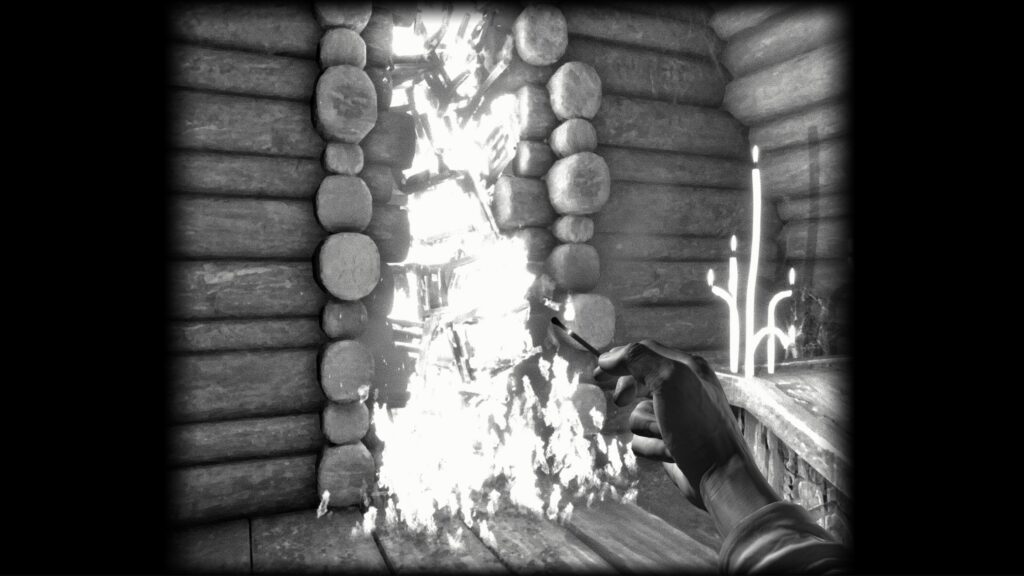
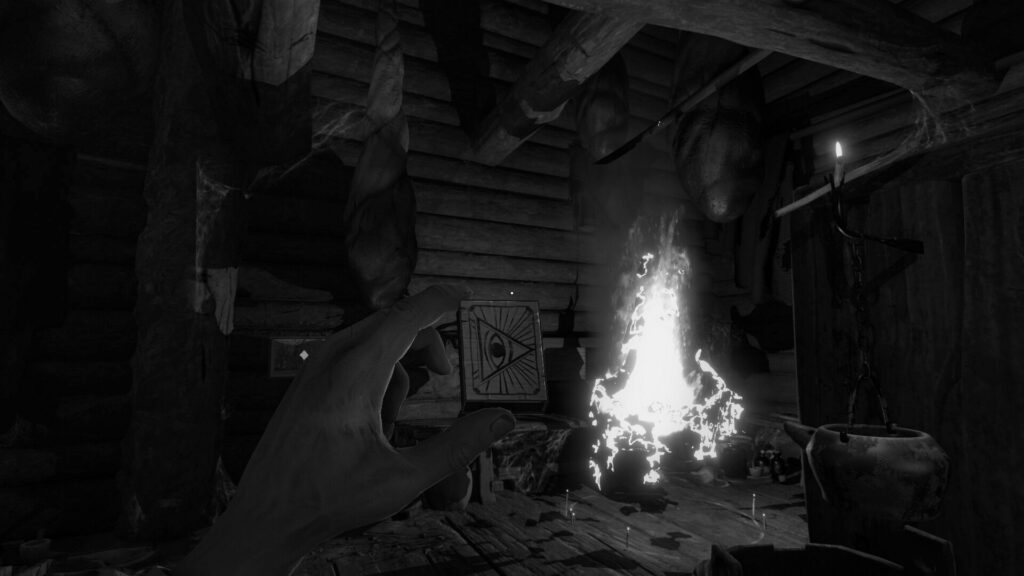
At its core, One-Eyed Likho is about navigating nightmares. Your greatest ally? A humble matchstick. You’ll strike flame after flame to light your way, burn back creeping darkness, ignite puzzles, and, because it’s just really fun, watch the furniture go up in smoke. It’s tactile, it’s clever, and it plays beautifully into the themes of fleeting light in overwhelming shadow.
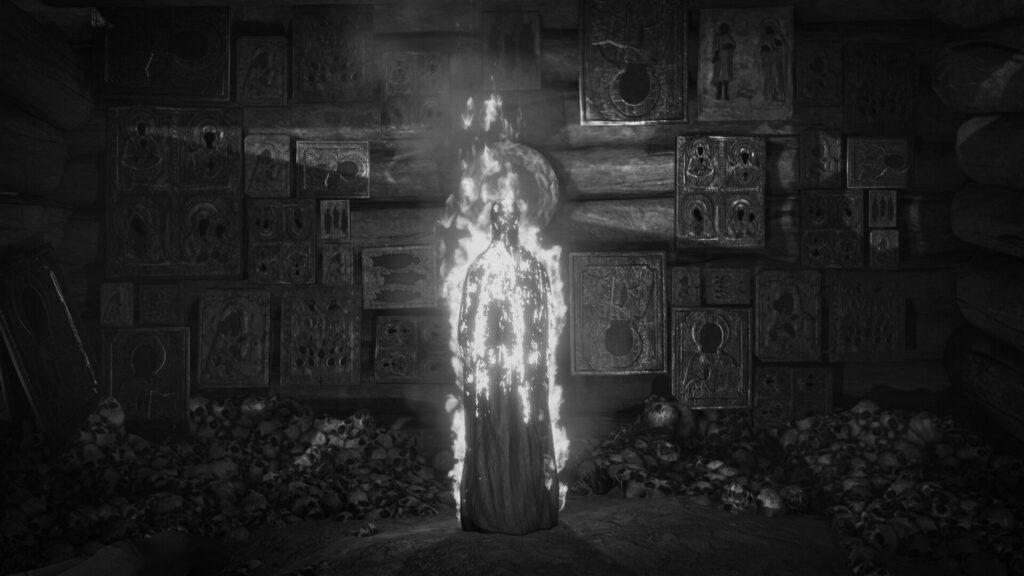
Then there is your other ally, and your only real companion through most of this grim fairytale, the Tailor. He’s half guide, half tool, and full-on creepy. He’ll fetch things you can’t reach, help uncover secrets, and serve as a strange, unsettling voice of reason.
It’s a bizarre but brilliant dynamic. The Tailor isn’t there to hold your hand, though he can offer hints; he’s more like the weird uncle who might help you fix your car or summon a demon, depending on his mood. He also helps drive home the game’s theme: you’re never really safe in fairytales, no matter how familiar things seem.
Atmosphere, audio, and the art of restraint
Morteshka’s decision to go black-and-white wasn’t just an artistic flex; it was a game design masterstroke. The world of One-Eyed Likho is oppressive and bleak in all the right ways. Contrast becomes a weapon. Light is hope. Darkness is always just one burnt-out match away.
Sound design? Chef’s kiss. Everything from the crackling of flames to the distant screeches of Likho herself is crafted to rattle your nerves. I played with headphones and could almost feel her breath when she got close. Even the Russian voice work, backed by haunting folk songs, pulls you deeper into this world of myth and menace.
One-Eyed Likho truly is a work of art, and a credit to the design team, how well everything just seems to pull together in the right way.
It’s not perfect, but it’s powerful
I had one bug in the rectory where the audio cut out completely during a conversation. Progress stalled, immersion broke. But to the devs’ credit, I flagged it before release and fingers crossed, it’s something they’re already patching. It didn’t ruin my experience, but it did remind me this is an indie title, with all the minor hiccups that can entail.
And if you’re coming here for pure horror, be warned: this isn’t Resident Evil or Outlast. It’s more Pan’s Labyrinth than panic attack. A grown-up fairytale with teeth, blood, and a moral wrapped in smoke.
Tail-end thoughts on One-Eyed Likho
I’ve played a lot of games that try to be “different.” But One-Eyed Likho genuinely is. It’s part narrative puzzle box, part cultural deep-dive, and entirely unforgettable. Morteshka has once again dug into underexplored myth and unearthed something raw and haunting. It’s slow, deliberate, and beautifully bleak, a dark fairytale that lingers like smoke on your skin.
If you’ve got a love for Slavic folklore, unsettling atmosphere, and puzzles that make you feel like an archaeologist of forgotten truths, this one’s worth striking a match for.
One-Eyed Likho is developed by Morteshka and is available now on PC via Steam or CDKeys. While you wait for it to download, why not check out more of our game reviews by clicking here.