


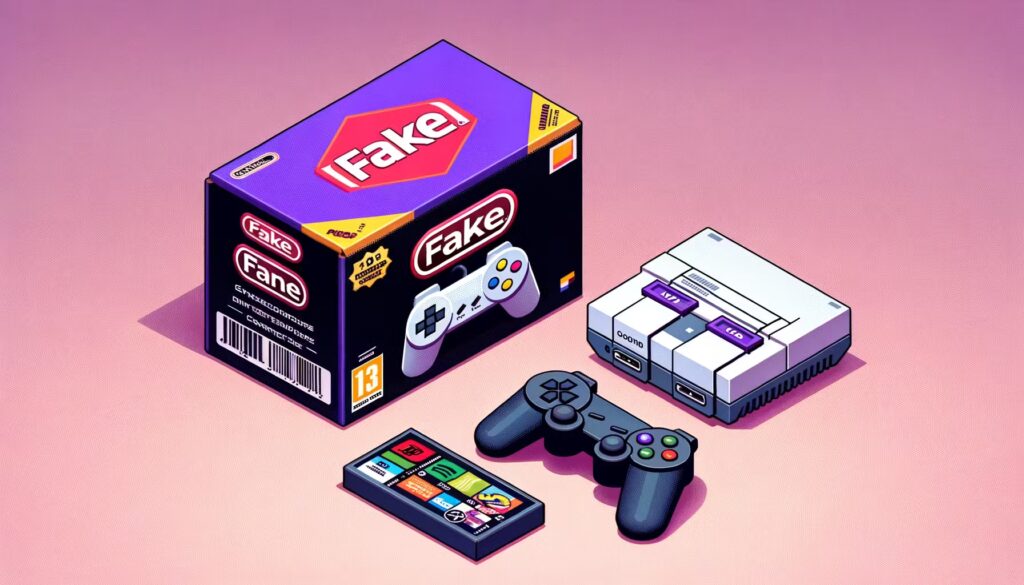
Sometimes it’s not the main villain, epic quest, or sweeping cutscene that sticks with you. It’s the jingle for a fictional burger chain. It’s the cola bottle logo stamped on every vending machine. Or it’s that sinister megacorp with a name that’s burned into your brain. Fake brands in games are more than set dressing; they’re satire, storytelling, and comedy all rolled into one.
This piece is basically one big love letter to the make-believe companies that feel weirdly real.

The classics
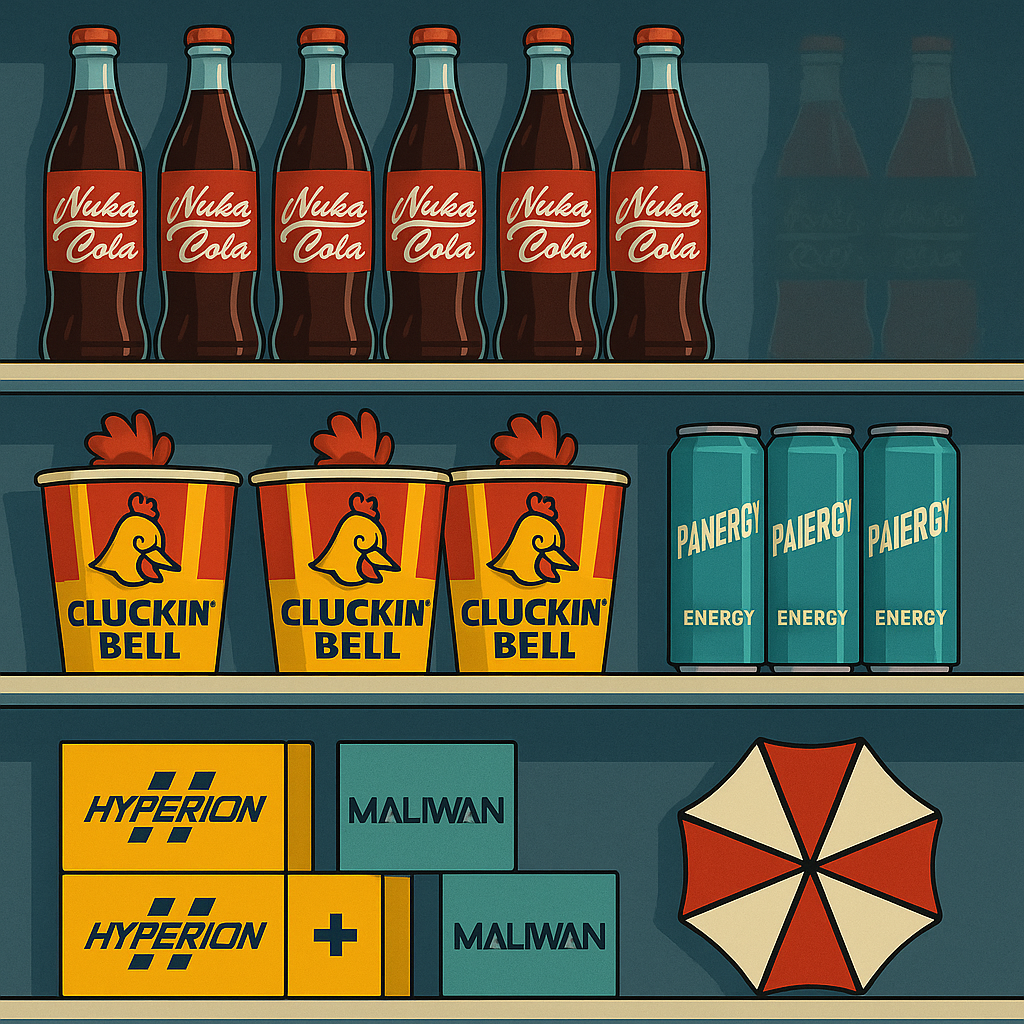
You can’t talk about fake brands without mentioning the big hitters. Fallout’s Nuka-Cola is basically Americana in a bottle, equal parts retro-futuristic charm and dark parody of consumerism. GTA’s Cluckin’ Bell isn’t just a fried chicken joint; it’s a razor-sharp parody of fast food excess and branding overload. And of course, Umbrella Corporation in Resident Evil shows just how terrifyingly believable a corporate logo can be when it’s stamped onto every doorway, lab coat, and biohazard. These aren’t just jokes, they’re mirrors of the world we live in.
World-building through logos
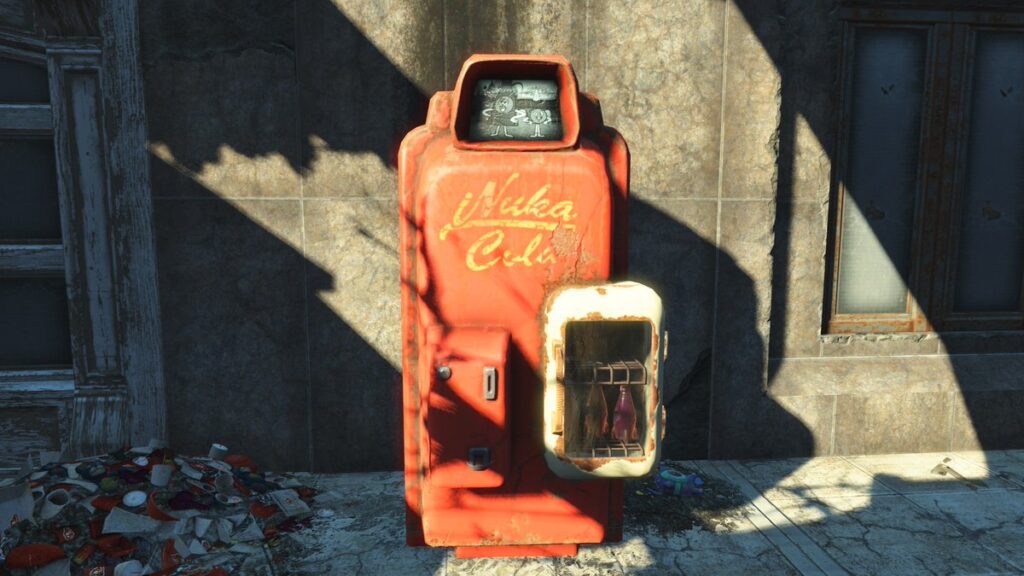
What makes these fake brands so powerful is how they’re woven into the world. Posters peeling off walls. Neon signs buzzing in back alleys. Jingles on in-game radios that get stuck in your head. The best examples don’t just exist as a single mention; they saturate the environment, making these worlds feel alive and eerily familiar. When you walk through Fallout’s wasteland and spot a Nuka-Cola vending machine, it feels right. Because of course, even after nuclear war, the branding survives.

When fake brands go too far (and it’s brilliant)
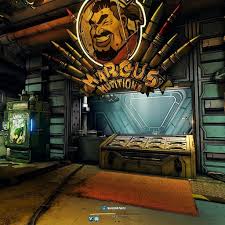
Sometimes developers crank it up to eleven, and it’s glorious. Borderlands turns its gun manufacturers into entire personalities: Hyperion, Maliwan, Tediore; each with their own style, slogans, and absurd quirks. And who could forget the purveyor of all such weaponry? Marcus Munitions, of course, your go-to gun dealer operating right out of Sanctuary.
Meanwhile, Saints Row throws around parody brands like they’re going out of fashion, from energy drinks to over-the-top clothing labels. These aren’t just background details; they become jokes in themselves, winking at the player, daring you to notice.
Why we love them
So why do we adore these fake brands so much? Because they’re more than Easter eggs. They’re cultural commentary. They poke fun at advertising, capitalism, and consumer culture while making game worlds feel richer. And, if we’re being honest, some of them are just plain cool. Who wouldn’t buy a case of Nuka-Cola or grab a bucket of Cluckin’ Bell if they could? In a way, these fictional products prove just how powerful games can be at building worlds, not just with quests and lore, but with the everyday detritus of life.
Some more notable fake brands we thought worth mentioning
Here are some examples of fake brands in gaming:
- Vault-Tec: The fictional company responsible for not only building the vaults to keep people safe, but as confirmed by the TV Series, also the ones likely to have caused the nuclear armageddon that required them.
- Sprunk: A lemon-lime flavoured energy drink in the Grand Theft Auto series, often seen on billboards and in convenience stores.
- Piswasser: An alcoholic beverage in Grand Theft Auto, known for its comical advertising and association with in-game activities.
- Feisar: A fictional company specialising in anti-gravity technology in the Wipeout series.
- Ultor Corporation: A powerful and corrupt mining corporation featured in the Red Faction and Saints Row games.
- Ivory Tower: A fictional car manufacturer in the Crew series, created when real-world car licenses were unavailable, but became a popular in-game brand with a wide range of vehicle types.
- Abstergo Industries: A modern-day Templar organisation in the Assassin’s Creed series, often depicted as a powerful corporation with a sinister agenda.
- Aperture Science: A research and development company in the Portal series, known for its innovative but often dangerous technology.
At their best, fake brands are more than background dressing; they’re cultural artefacts in their own right. They make us laugh, they unsettle us, and they help define the worlds we lose ourselves in. From Nuka-Cola to Umbrella, these imaginary products remind us that games don’t just give us stories to play; they give us entire societies to explore. And honestly? Sometimes we’d buy a case of Nuka-Cola or grab a Cluckin’ Bell bucket if we could.
For even more opinion pieces like this one, just click right here.