


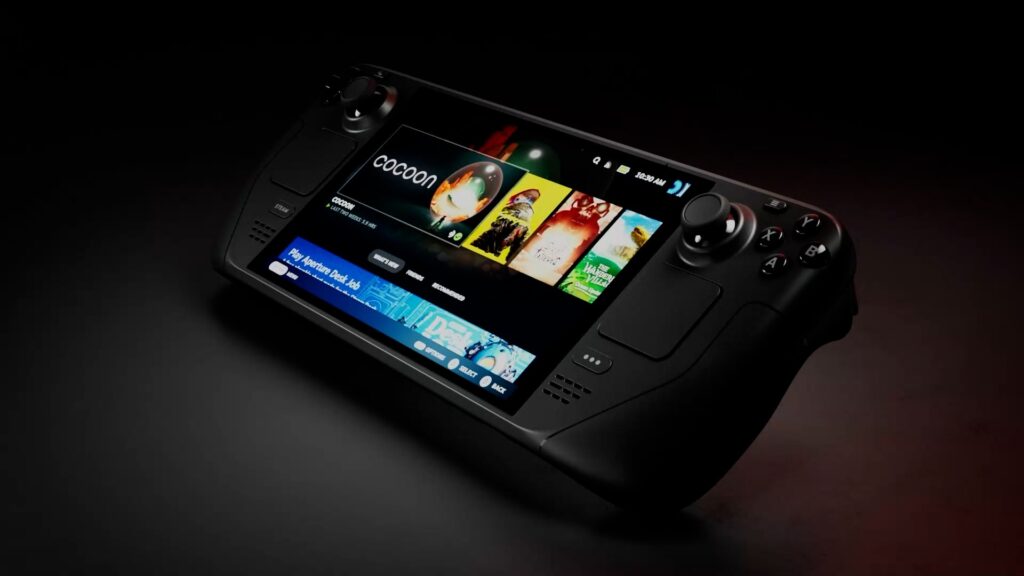
For decades, portable gaming has been chasing one dream: PC power in your hands. We’ve seen the promise rise and fall through chunky netbooks, awkward gaming laptops, and underpowered handhelds that couldn’t run anything newer than Half-Life 2. But after years of prototypes and pipe dreams, we might finally be there.
The question is, at what cost?
Steam sparked the revolution
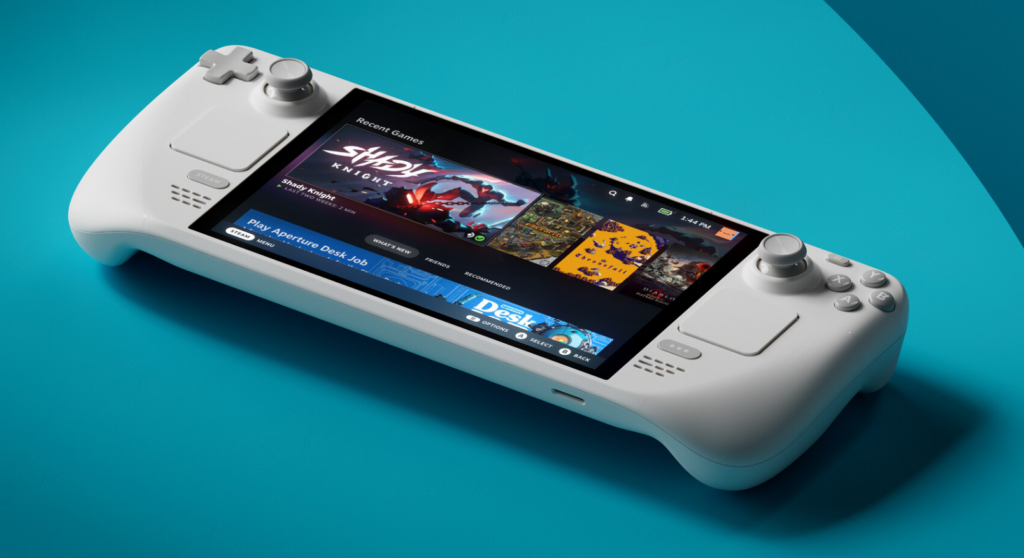
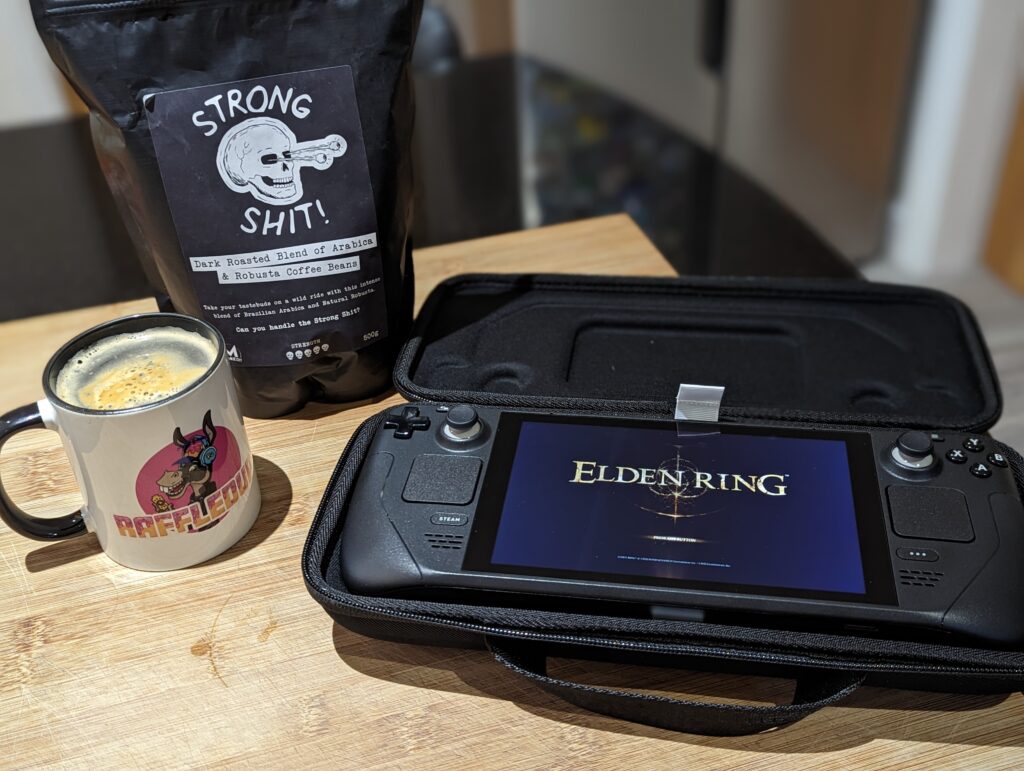
When Valve launched the Steam Deck in 2022, it didn’t just release a new gadget; it legitimised the handheld PC. It was bulky, it ran hot, and it wasn’t exactly elegant, but it worked. You could play Elden Ring on the bus, tweak settings in Linux, and dock it to a monitor without too much hassle.
That freedom turned heads. It reminded people that portability didn’t have to mean compromise, not if the software ecosystem was done right. And despite its rough edges, the Steam Deck delivered something no one else had managed: a genuinely functional, affordable portable PC that didn’t feel like a gimmick.

The copycats and contenders
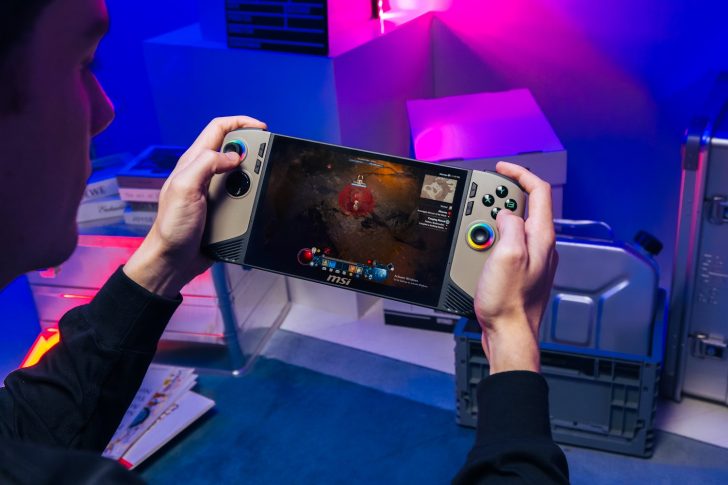
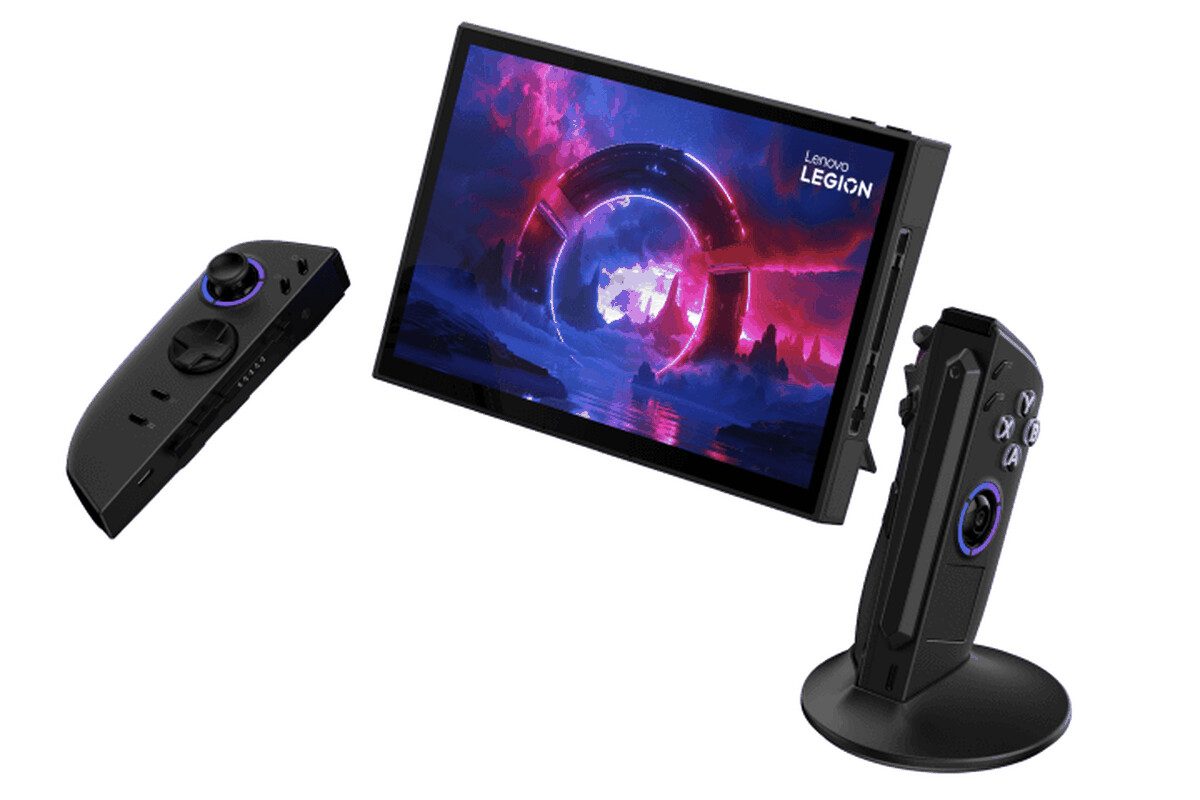
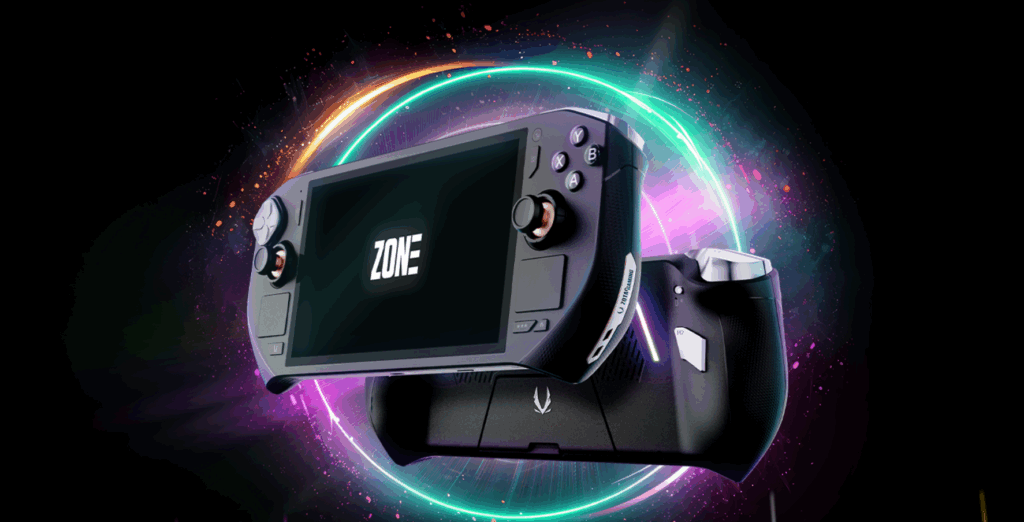
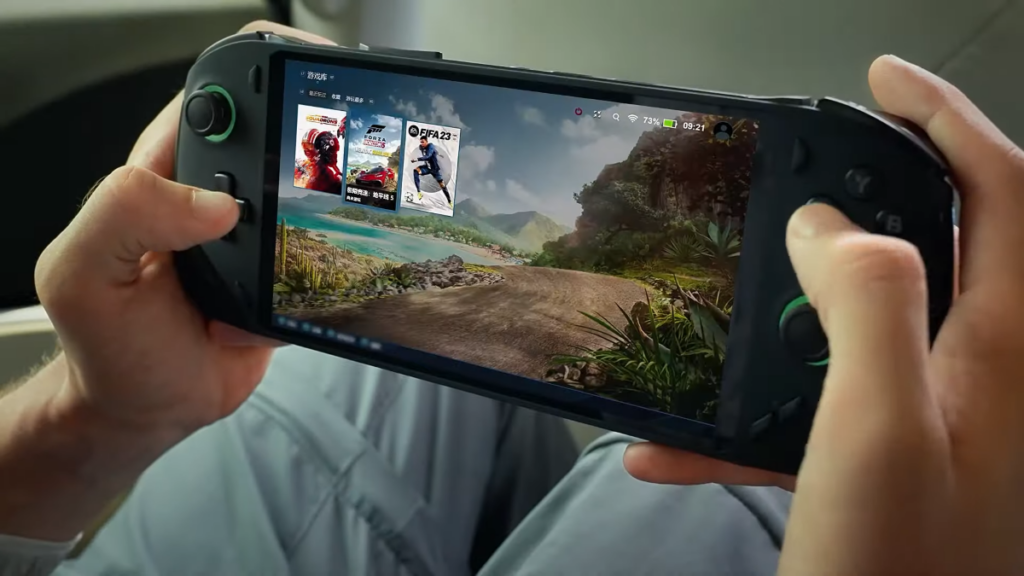
Naturally, it didn’t take long for others to follow. ASUS stepped up with the ROG Ally, a slicker, brighter, Windows-powered rival with a sharper screen and more horsepower under the hood. MSI entered the scene with the Claw, Lenovo launched the Legion Go, and suddenly, handheld PCs were the hot new arms race in gaming tech.
Each promised to solve a piece of the puzzle: battery life, performance, ergonomics, and thermals. Some delivered better hardware, others struggled with software that clearly wasn’t built for a six-inch touchscreen. But all shared the same ambition: to make PC gaming portable without turning it into a compromise.

The dream versus the reality
So, has the dream finally been realised? Yes and no.
On paper, handheld PCs are stronger than ever. You can boot Cyberpunk 2077 on medium settings, emulate Switch titles, and stream from Game Pass or GeForce Now with ease. The hardware is no longer the problem.
The real issue is optimisation. Windows was never designed for devices this small. Even with performance modes and manufacturer overlays, navigating desktop menus with your thumbs still feels like a throwback to the early 2000s. And while SteamOS on the Deck feels built for purpose, it’s limited in flexibility compared to full Windows machines.
Battery life remains the other elephant in the room. It doesn’t matter how powerful your APU is if you’re dead within an hour of gameplay. Manufacturers of handheld PCs keep promising more efficient chips, but even the latest AMD Z1 Extreme struggles to balance power and endurance.
The cost of portability
Let’s talk price.
A good handheld PC will set you back between £600 and £900, roughly the cost of a solid gaming laptop. That’s a steep ask for a device that, by design, can’t match the raw performance or versatility of a full desktop rig.
And yet, for many players, that trade-off is worth it. You’re not buying a replacement for your PC, you’re buying freedom. The ability to play Baldur’s Gate 3 in bed, to chip away at No Man’s Sky on a train, or to grind through Vampire Survivors on the sofa without monopolising the TV.
In that sense, handheld PCs occupy a new middle ground between convenience and capability, not quite a Switch, not quite a laptop, but something in between that’s finally functional enough to be tempting.
Steam Deck still leads the pack
Despite all the competition with handheld PCs, Valve’s Steam Deck still feels like the most cohesive package. It’s not the most powerful or the prettiest, but it nails the fundamentals. SteamOS runs circles around Windows when it comes to simplicity and battery optimisation, and Valve’s steady rollout of updates has kept it feeling fresh years after launch.
It’s also built around a clear philosophy: openness. You can install other storefronts, emulators, and mods without voiding your warranty. It’s the spirit of PC gaming distilled into a handheld form, messy, experimental, and oddly personal.
Competitors like the ROG Ally and Legion Go arguably deliver better visuals and smoother performance, but their reliance on Windows makes them clunkier day-to-day. The Ally’s power modes are clever but inconsistent, and the Legion Go’s detachable controllers, while innovative, sometimes feel more novelty than necessity.
Who are these really for?
That’s the question manufacturers haven’t fully answered yet.
For hardcore enthusiasts, handheld PCs are a dream come true, a portable lab for tinkering, tweaking, and showing off. For casual gamers, it can feel overwhelming. Between BIOS updates, power profiles, and fan curves, you sometimes spend more time optimising than playing.
That’s where Nintendo Switch and Steam Deck differ most. The Switch is plug-and-play fun. The Deck and its peers are portable PCs in the truest sense, freedom paired with friction.
If you’re the kind of player who enjoys the occasional troubleshoot or performance tweak, these machines are fascinating. But if you just want to sit down and play without fuss, you might find yourself missing the simplicity of a console.

The verdict
So, are handheld PCs finally worth it?
If you crave freedom, flexibility, and the satisfaction of high-end gaming wherever you go, absolutely. Handheld PCs are imperfect but magical, the closest we’ve ever come to truly portable PC power.
But if you value simplicity, longevity, and comfort above all else, it might still be worth waiting. The revolution is real, but it’s still charging.
For even more opinion pieces, click right here.
Disclaimer: This post contains affiliate links, which means that if you click them and purchase anything through them, it may earn us a small commission. It doesn’t affect the prices; you won’t pay more, it just puts a few pennies in our pocket. You don’t have to use them, though, but doing so helps keep the site running, so it’s much appreciated.